

 See My Latest Article on HelloNation
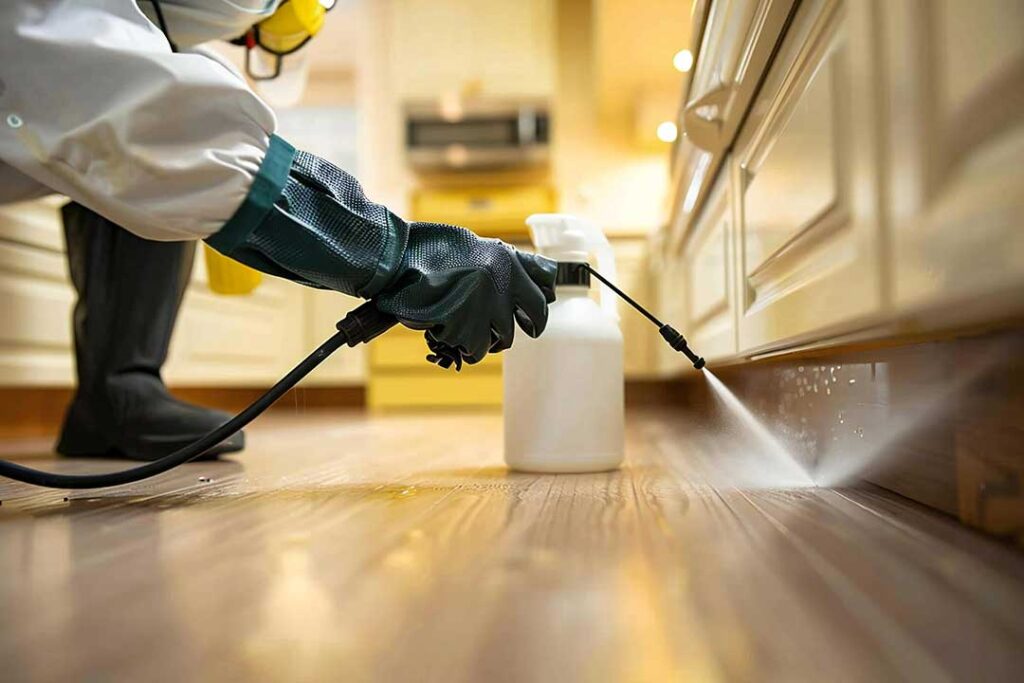
Some smells can make an area less attractive to certain insects, but scents rarely provide complete or lasting pest control. In Corpus Christi, TX, warm temperatures, coastal humidity, wind, and frequent outdoor activity can reduce how long a scent remains effective.
A few aromas may help discourage insects near entryways, patios, trash areas, or stored food. They work best as a small part of prevention rather than as a replacement for screens, sanitation, moisture control, and sealing gaps.
Which smells may help keep bugs away?
Strong plant-based scents are commonly associated with temporary insect avoidance. The effect varies by species, concentration, ventilation, and whether the smell is applied indoors or outdoors.
Scents that may discourage some insects include:
- Peppermint
- Eucalyptus
- Lemongrass
- Citronella
- Lavender
- Rosemary
- Cedar
- Clove
- Garlic
- Vinegar
These odors may interfere with an insect’s ability to detect food, moisture, shelter, or a host. That does not necessarily mean the scent kills the insect or prevents it from entering an area. A hungry ant, cockroach, fly, or mosquito may still move through a strongly scented space if favorable conditions are present.
The most consistent results tend to come from using scents near a specific nuisance area, such as a screened porch, outdoor seating area, or a sealed pantry. Results are usually temporary because odors fade, disperse, or become less noticeable in warm, moving air.
Does peppermint oil repel cockroaches and ants?
Peppermint may temporarily discourage some cockroaches and ants, especially when applied near cracks, door thresholds, or other areas where insects are active. However, peppermint oil does not eliminate an infestation or destroy hidden egg cases.
Ants follow chemical trails left by other ants. A strong scent may disrupt part of that trail, but the colony can often establish another route. If food residue, water, or a nesting site remains nearby, the activity may return.
Cockroaches are also attracted by more than smell. They seek moisture, warmth, food particles, cardboard, and protected spaces. A peppermint scent may make a treated area less appealing for a short time, but it does not address plumbing leaks, damp cabinets, wall voids, or entry points.
For indoor use, avoid saturating surfaces with essential oils. Oils can stain finishes, irritate breathing passages, and create risks for pets, especially cats and small animals. Never place concentrated oils where children or pets can reach them.
Can citronella and lemongrass reduce mosquitoes?
Citronella and lemongrass odors may reduce mosquito activity in a limited area for a limited period. Their effect is usually strongest close to the source and weaker as air movement carries the scent away.
Outdoor conditions in Corpus Christi can make scent-based mosquito control especially inconsistent. Breezes, open yards, high humidity, irrigation, and standing water all affect how long an odor remains concentrated. A candle or plant may create a noticeable smell without providing reliable protection for everyone nearby.
Mosquitoes are more likely to remain around places that provide breeding water and resting cover. Check for:
- Water collecting in plant saucers, toys, buckets, or outdoor containers
- Clogged gutters or drains
- Low areas that stay damp after rain
- Dense vegetation close to seating areas
- Leaky outdoor faucets or irrigation components
Removing standing water usually has a more dependable effect than adding fragrance. Screens, long sleeves, and an insect repellent labeled for mosquito protection can also provide more consistent personal protection when used according to the product label.
Do lavender, rosemary, or cedar repel flies and other insects?
Lavender, rosemary, and cedar have noticeable odors that some people use around windows, closets, patios, or storage areas. These scents may discourage certain insects from lingering, but they should not be treated as universal repellents.
Flies are strongly influenced by food odors, garbage, pet waste, drains, and decaying organic material. A scented sachet near a trash container is unlikely to overcome an uncovered food source. Cleaning the container, using a tight-fitting lid, and removing waste regularly are more effective steps.
Cedar may help protect stored fabrics from some pests when used inside a closed storage system, but cedar’s odor decreases over time. It should not be assumed to protect an entire room or prevent all fabric damage.
Lavender and rosemary plants can add aroma around outdoor areas, yet simply placing potted plants near a doorway usually does not create a strong enough concentration to keep insects away. Plants also require suitable light and watering, and damp soil can sometimes create conditions favorable to fungus gnats.
Does vinegar keep bugs away?
Vinegar may temporarily discourage some insects because of its sharp odor, but it is not a dependable general-purpose repellent. Vinegar and water can be useful for cleaning some household surfaces, particularly where food residue or sticky spills attract ants and flies.
It should not be mixed with bleach, ammonia, or other cleaning chemicals. Vinegar can also damage certain stone surfaces, grout, metals, and finishes.
For ants, cleaning a trail may remove scent markers from the surface, but lasting control still depends on finding and eliminating food and moisture sources. For fruit flies, removing overripe produce, cleaning drains, and rinsing bottles or cans is more useful than placing a bowl of vinegar in the room.
Why do scent remedies often stop working?
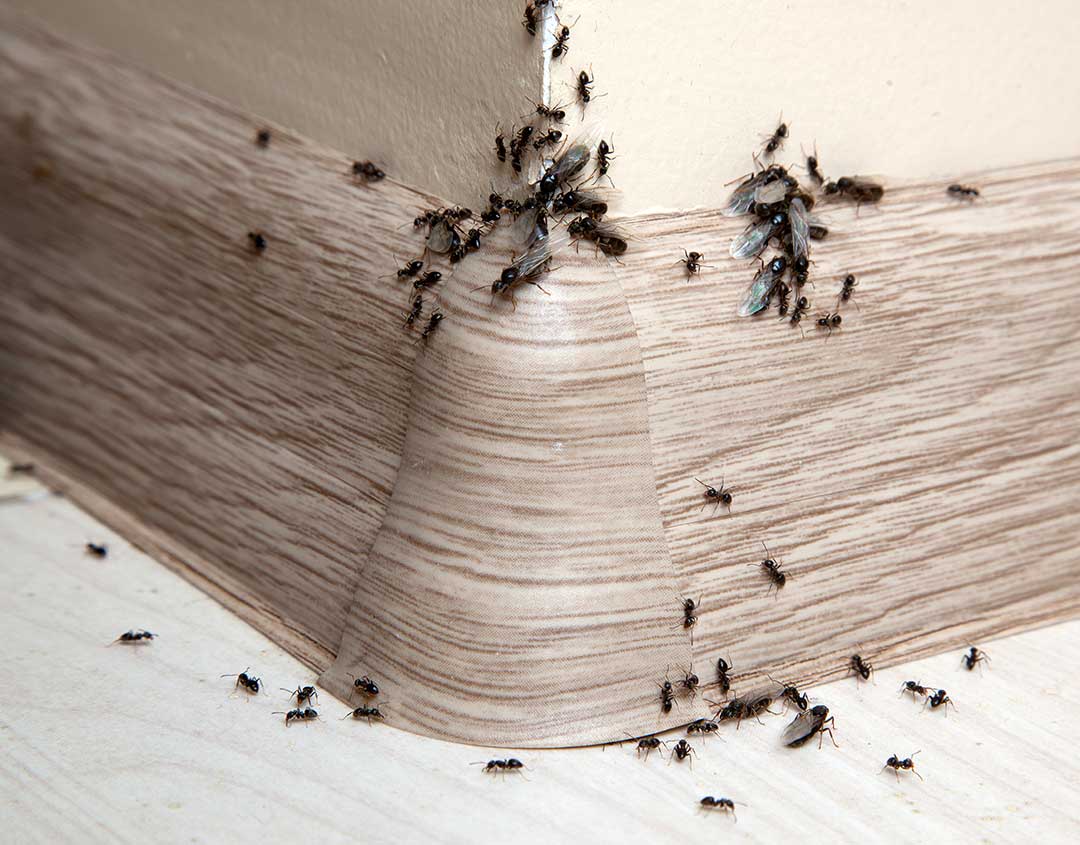
Several factors make smell-based insect control unreliable:
- Outdoor air dilutes the odor.
- Heat can cause essential oils to evaporate quickly.
- Wind carries scents away from the treated area.
- Insects may adapt or find another route.
- Food, water, and shelter can outweigh the smell.
- The scent may be too weak to affect the target species.
- Some products lose potency during storage.
A scent that seems effective one evening may have little effect the next day. This is common on exposed patios, around open doors, and near coastal or breezy areas.
Odor can also create a false sense of security. An area may smell strongly of peppermint or citronella while insects continue entering through an unsealed gap or developing in nearby standing water.
How should households use scents safely?
Use scented materials carefully and treat them as optional supplements to basic pest prevention. Keep concentrated oils away from eyes, skin, children, and animals. Follow label directions for any commercial preparation, and do not apply an essential oil directly to skin unless the product is specifically formulated and labeled for that use.
Avoid using flammable oils or candles near curtains, paper, grills, or other heat sources. Strong fragrances may also aggravate asthma, allergies, headaches, or other respiratory sensitivities.
For outdoor seating areas, a better approach is to combine limited scent use with practical measures:
- Repair torn screens.
- Keep doors closed when possible.
- Empty standing water at least weekly.
- Clean food and drink spills promptly.
- Keep trash containers closed.
- Trim vegetation away from doors and windows.
- Fix leaks and improve drainage.
- Store pet food in sealed containers.
What works better than relying on smells?
The most dependable pest prevention comes from removing the conditions insects need. Seal small openings around pipes, utility lines, windows, and doors. Repair damaged screens and add tight door sweeps where appropriate.
Inside the home, reduce accessible food and water. Wipe counters, clean under appliances, dry sinks, correct leaks, and avoid leaving pet food out overnight. In garages, patios, and storage areas, reduce clutter and keep cardboard or fabric items off damp floors.
Smells may provide a short-term deterrent in a narrow area, but they do not replace source control. If insects continue appearing despite sanitation, moisture correction, and exclusion, the pattern may indicate a hidden entry point, nest, breeding site, or structural moisture problem that fragrance cannot solve.