

 See My Latest Article on HelloNation
Do Pests Survive Winter in Corpus Christi, TX?
Yes—many local pests can and do survive the winter, thanks to the region’s milder climate compared to northern areas. Corpus Christi’s winters rarely bring prolonged freezing temperatures. Instead, local pests often remain active throughout the season or simply shift location within or near homes and other structures.
Cold snaps do occur, but the blend of humidity, brief cold spells, and regular mild days means many pests never face the deep dormancy seen up north. As a result, winter pest management is just as relevant as during warmer months—though behaviors and problem spots may change.
Why Don’t Cold Temperatures Eliminate Local Pests?
A short answer: Freezing temperatures rarely last long enough to fully wipe out pest populations in the area.
Most common species are either native or have adapted well to mild winters. Even when it gets cold:
- Many insects and rodents seek out warmth indoors or under insulation.
- Some pests slow their metabolism but do not die off.
- Others breed year-round if suitable shelter and food are available.
Homes with landscaping debris, crawl spaces, or gaps in siding or around pipes provide abundant winter refuges. Garages, attics, and storage sheds offer additional protection, helping pests remain undisturbed until spring.
Which Pests Are Still Active During Winter?
Several pests in Corpus Christi are known for remaining active or visible during local winters, including:
- Ants: Certain ant species, like Argentine and ghost ants, can invade kitchens and bathrooms searching for moisture and food.
- Cockroaches: Species such as American and German cockroaches move indoors for warmth but continue to reproduce if indoor conditions allow.
- Rodents: Mice and rats may become more noticeable indoors as they search for food and shelter.
- Termites: Subterranean termites are mostly active below ground, but their colonies continue to function during winter.
- Mosquitoes: Populations typically decrease, but eggs can survive in standing water and hatch quickly if temperatures climb.
- Spiders: Many remain active in garages, sheds, and inside homes, especially where prey is available.
Warm spells in winter can send pests out foraging, leading to sudden appearances even during what seems like the “off-season.”
How Do Pests Survive the Coolest Months?
Local pests use a mix of survival strategies:
- Seeking Shelter Indoors: Gaps under doors, attic vents, rooflines, and plumbing penetrations allow entry.
- Hiding Outdoors: Under mulch, leaf piles, logs, or inside service boxes and irrigation covers, pests ride out brief cold spells.
- Slowing Down Metabolism: Some insects become less active (a state called diapause) rather than dying.
- Egg Stage Survival: Cockroaches, mosquitoes, and some beetles leave eggs in protected spots to hatch when conditions improve.
Rodents are especially clever, sensing dropping temperatures early and rapidly finding ways inside. Once established, they build nests in insulation or between walls, breeding even during winter months.
Are Any Pests Less of a Problem in Winter?
Some seasonal changes can offer temporary relief:
- Mosquito numbers usually drop, as adults die off or go dormant, though standing water can still foster new larvae.
- Biting flies, paper wasps, and honey bees often retreat or become less active during cooler weather.
However, this “downtime” is usually short-lived. A few warm days in January or February can restart activity for some pests, and indoor infestations rarely pause once established.
How Does Corpus Christi’s Climate Influence Pest Survival?
The region’s coastal humidity, proximity to water, and generally moderate temperature swings all contribute to robust pest survival year-round.
Unlike colder areas, Corpus Christi rarely sees prolonged freezes that penetrate ground layers. This allows soil-dwelling pests like termites and grubs to persist. Elevated winter rainfall or humidity can also drive pests indoors as soil becomes saturated or outdoor conditions turn damp and cool.
Older homes, high population density, and frequent landscaping changes mean local households almost always face some level of winter pest activity.
What Can Homeowners Do to Reduce Winter Pest Activity?
Routine maintenance steps can noticeably reduce winter pest issues:
- Seal gaps and cracks around foundations, doors, and windows.
- Clear leaves, mulch, and debris near exterior walls.
- Store firewood and bulk items away from the main structure.
- Check attics, basements, and seldom-used rooms for pest signs and address leaks or moisture buildup.
- Eliminate standing water to prevent mosquito egg survival.
Keeping up with these habits through the cooler months helps limit indoor infestations and makes spring and summer pests easier to manage.
What Are Common Misconceptions About Local Winter Pests?
Two beliefs often lead to surprises in late winter or spring:
- Myth: “Cold weather means all bugs and rodents are gone.” Reality: Many remain hidden or less visible but do not disappear.
- Myth: “Pest control is only needed during summer.” Reality: Preventative and monitoring efforts are effective year-round, even if specific techniques or target species change.
- Myth: “Natural predators handle the problem in winter.” Reality: Reduced outdoor activity by birds and reptiles often leaves household pests unchallenged indoors.
When Are Winter Pests Potentially Harmful?
Winter pest issues can be more than a nuisance. Rodents nesting indoors may chew wires or contaminate surfaces. Cockroaches and rodent droppings can trigger allergies or asthma, especially for sensitive individuals.
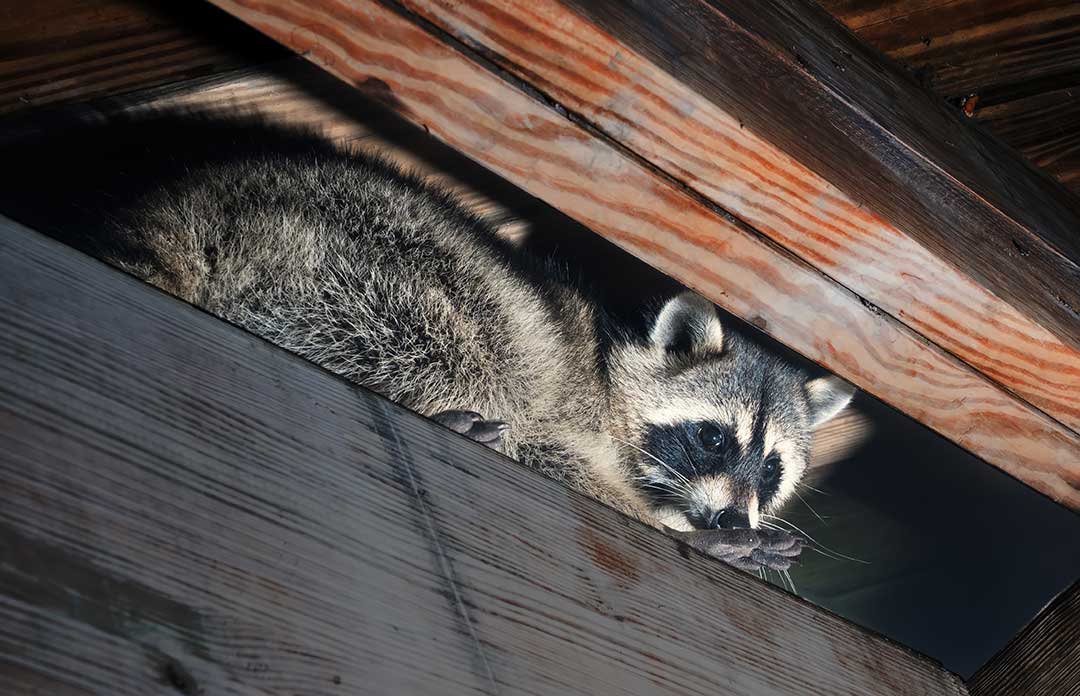
If a pest-related issue is linked to structural risk, sanitation concerns, or appears to involve wildlife (such as bats or raccoons), professional assistance may be necessary to ensure safe, lawful handling.