

 See My Latest Article on HelloNation

Why Care About Seasonal Pest-Proofing in Corpus Christi, TX?
Homes in this Gulf Coast city face persistent pest challenges because of the warm, humid climate. Even during mild winters, residents see activity from ants, mosquitoes, rodents, and more. Many community members expect a seasonal surge in pest sightings, but effective prevention starts with addressing risks before each new season begins. Regular, proactive checkups help reduce the chances of costly infestations and can prevent stress in peak pest months.
What Makes Pest Risks Change With the Seasons?
Seasonal weather shifts in Corpus Christi influence which pests are active and how they get indoors.
- Spring and summer rains boost mosquito populations and encourage termite swarms, especially in flood-prone neighborhoods.
- Fall’s milder temperatures push rodents and spiders to seek indoor warmth.
- During winter, cockroaches and ants often find shelter and food in kitchens or pantries, especially in older coastal homes.
Even if a home stayed pest-free one season, changing weather, maturing plants, and new construction in the area can shift the local pest dynamic. Reviewing and updating your prevention strategies each season keeps you ahead.
Which Pest-Entry Points Deserve a Close Seasonal Check?
Begin by inspecting typical entryways for signs of wear or gaps. In this region, salty air and storms can quickly degrade protective barriers. Pay extra attention to:
- Window screens: Look for small tears, missing screens, or bent frames. Even tiny holes allow mosquitoes and gnats inside.
- Doors and weatherstripping: Make sure seals are tight and thresholds close flush to the ground.
- Attic and crawlspace vents: Confirm that vents have screens with no holes or rust.
- Utility penetrations: Pipes, cables, and dryer vents often have gaps that widen over time. Use caulk or expanding foam specifically rated for pest control.
- Foundation cracks: After heavy rains, inspect for new cracks or shifting that could let ants or rodents in.
Many residents overlook checking garages and storage sheds, which can provide easy pest access to the whole household.
How Does the Yard and Landscaping Affect Pest Problems?
Keeping the yard tidy and maintained forms the first defense line. Common oversights leading to issues in area neighborhoods include:
- Overgrown shrubs and tree limbs touching the house act as bridges for ants, roaches, and rodents.
- Mulch or compost piled too close to siding can retain moisture and attract termites or earwigs.
- Clogged gutters or standing water in birdbaths and garden pots promote mosquitoes and can damage fascia boards, making them vulnerable to insect entry.
Periodic raking, trimming, and drainage checks each season are straightforward ways to limit pest habitats.
What Indoor Habits Support Year-Round Pest Prevention?
Routine household practices make a noticeable difference in keeping pests out, especially in areas where humidity and warmth are consistent:
- Store pantry items in sealed containers instead of bags or original cardboard boxes.
- Wipe kitchen counters after meals and sweep crumbs from floors, particularly in high-traffic areas.
- Don’t leave pet food or water bowls out overnight.
- Regularly check for plumbing leaks under sinks and behind appliances, since excess moisture can attract roaches and silverfish.
- Rotate and clean behind heavy furniture at least each season to avoid undisturbed nesting areas for insects or rodents.
These steps, while basic, are often missed and can have the biggest impact in deterring common seasonal pests.
Are Chemical Treatments Always Necessary?
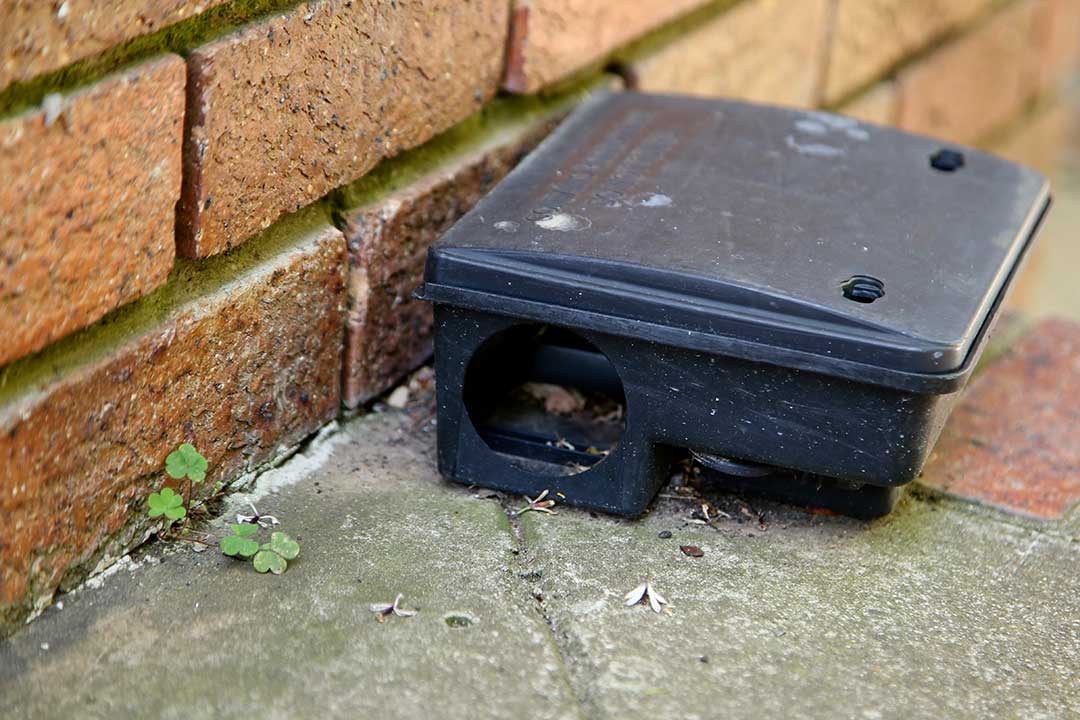
Many residents believe over-the-counter sprays are required with each seasonal change. Yet, for most households, physical barriers and cleanliness remain the primary defenses. Spot-use of products may help address isolated problems (for example, ant trails after heavy rain) but shouldn’t substitute for a thorough inspection or replacing weatherstripping. Chemical use is considered only after all preventive steps have been taken, or for severe infestations not controlled by routine measures.
What About Local Wildlife Intrusions?
Corpus Christi’s proximity to water sources and green spaces means raccoons, opossums, and even snakes may approach homes, especially as seasons shift. Wildlife usually seeks shelter or easy food in colder or wetter periods. Homeowners should:
- Keep garbage in secure, animal-resistant bins.
- Repair torn soffits or roof shingles promptly.
- Install chimney caps or screening to prevent nesting or accidental entry.
If large wildlife repeatedly enters attic or crawl spaces, seeking guidance from a local public agency can help address the issue safely.
Are Certain Times of Year More Critical for Prevention?
While year-round diligence helps, the change from winter to spring and late summer into fall are most significant for seasonal preparation:
- Late winter to early spring: Focus on removing moisture sources, checking for termite activity, and repairing rain-affected damage.
- Late summer to fall: Inspect for points where rodents may try to enter as weather cools, and evaluate outdoor lighting since it may attract insects searching for warmth indoors.
Synchronizing prevention efforts with these transitions matches the local pest cycles most effectively.
What Do Most People Overlook That Makes the Biggest Difference?
Two common oversights include ignoring storage areas and underestimating small cracks or gaps:
- Attics, garages, and backyard sheds offer shelter for a range of pests and should be included in every seasonal inspection.
- Even thin cracks around foundation slabs or through siding can admit ants, roaches, and mice. Regular caulking or sealing of these minor flaws is often more effective than repeat spraying.
Attention to these less-visible areas and persistent, small maintenance tasks offers long-term protection for homes throughout the year.