

 See My Latest Article on HelloNation
Pest problems are not all alike. A few ants near a sink, a single wasp nest, and recurring termites require very different responses. For households in Corpus Christi, TX, the better choice depends on the pest, the size of the infestation, the location, and the risks involved in treating it.
DIY control can work for small, clearly identified problems. Professional help is more appropriate when pests are hidden, damaging the structure, spreading disease, or difficult to treat safely.
What pest problems are usually reasonable to handle yourself?
DIY treatment is often practical when the problem is limited, easy to identify, and located where it can be safely reached. Examples include a small number of ants entering through a visible gap, a few flies around an uncovered trash container, or occasional roaches connected to food, water, or clutter.
Start with nonchemical steps:
- Store food in sealed containers.
- Clean crumbs, grease, and spills promptly.
- Repair leaking faucets, pipes, and air-conditioning drain problems.
- Empty indoor trash regularly.
- Reduce cardboard, paper piles, and clutter.
- Seal cracks around doors, windows, plumbing penetrations, and baseboards.
- Use screens and door sweeps to reduce insect entry.
For limited insect activity, traps or enclosed baits are often preferable to spraying an entire room. Baits can reduce exposure when placed where children and pets cannot reach them. Follow the product label exactly, including instructions about ventilation, treated surfaces, food preparation areas, and reentry.
DIY is most likely to succeed when the goal is prevention or removal of a small number of pests rather than elimination of an established population.
When is DIY pest control unlikely to solve the problem?
DIY treatment becomes less reliable when sightings are frequent, activity occurs in several rooms, or the source cannot be located. Spraying visible insects may provide temporary relief without addressing nests, harborages, moisture, or entry points.
Recurring pests can indicate a larger problem, such as:
- Roaches appearing during both day and night
- Ant trails returning after cleaning
- Rodent droppings in cabinets, attics, or wall voids
- Repeated wasps entering an attic, wall, or roof overhang
- Fleas continuing after pets and indoor areas have been treated
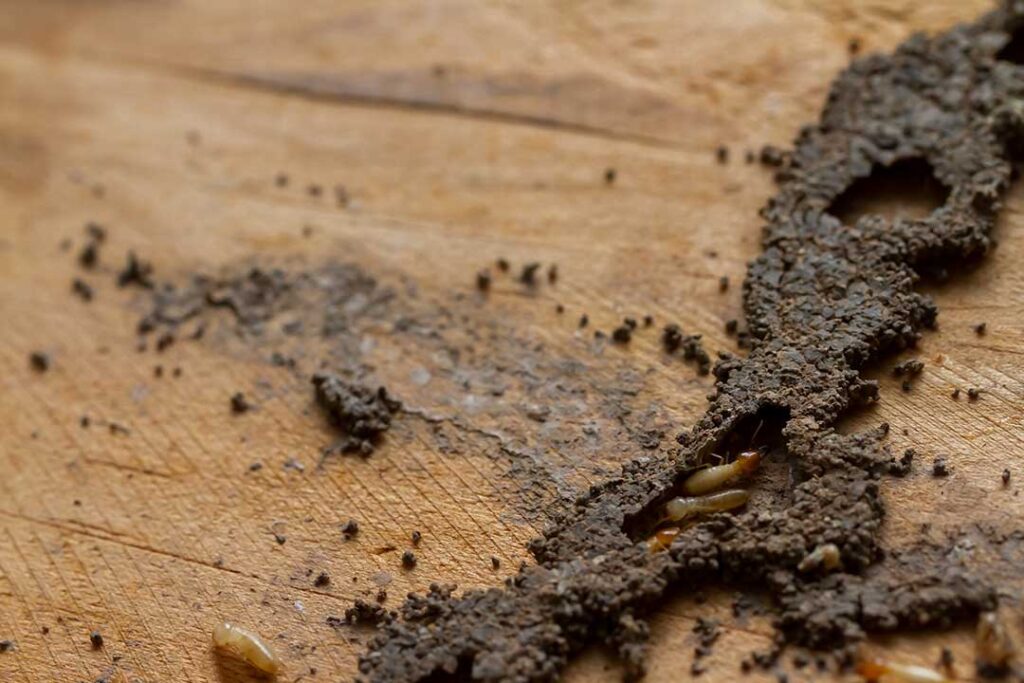
- Termite wings, mud tubes, hollow-sounding wood, or damaged trim
- Mosquitoes breeding in containers, clogged drainage areas, or standing water
A useful rule is that repeated activity usually deserves investigation rather than stronger chemicals. Increasing the amount of pesticide can create unnecessary risk and may not reach pests hidden behind walls, under appliances, inside voids, or below the structure.
Why does the local climate affect the decision?
Warm, humid conditions can allow many pest populations to remain active for much of the year. In coastal housing areas, moisture, wind-driven rain, dense vegetation, shaded foundations, and outdoor storage can all influence pest activity.
Homes may also have features that create concealed access points, including slab edges, utility penetrations, screened porches, detached storage areas, and roof or attic ventilation openings. After heavy rain, insects may move indoors when soil becomes saturated or outdoor shelter is disturbed. During hot, dry periods, some pests seek water inside homes.
These conditions do not automatically mean a professional treatment is needed. They do mean that correcting moisture, sealing entry points, and inspecting less visible areas may matter more than treating the insects that are easiest to see.
Which pests generally justify professional evaluation?
Some situations are better handled by a licensed pest control professional because accurate identification, specialized equipment, or regulated treatment may be necessary.
Termites and suspected wood-destroying insects
Termites are difficult to evaluate from surface evidence alone. Damage may exist inside walls, beneath flooring, around plumbing penetrations, or in areas where the soil meets the structure. Termite treatments can involve products and application methods that require training and proper documentation.
Carpenter ants, wood-boring beetles, and moisture-damaged wood can resemble termite problems. A correct diagnosis helps prevent treating the wrong pest while structural damage continues.
Rodents inside walls, ceilings, or attics
A mouse or rat seen indoors may be only one part of the problem. Droppings, nesting material, gnaw marks, odors, and scratching sounds can help locate activity, but rodents may move through wall voids and inaccessible spaces.
Sealing an entry point before confirming that animals are out can trap them inside. Rodent contamination may also require careful cleanup to avoid stirring contaminated dust into the air. Children, pets, and household members with respiratory conditions deserve extra protection during this work.
Stinging insects in concealed locations
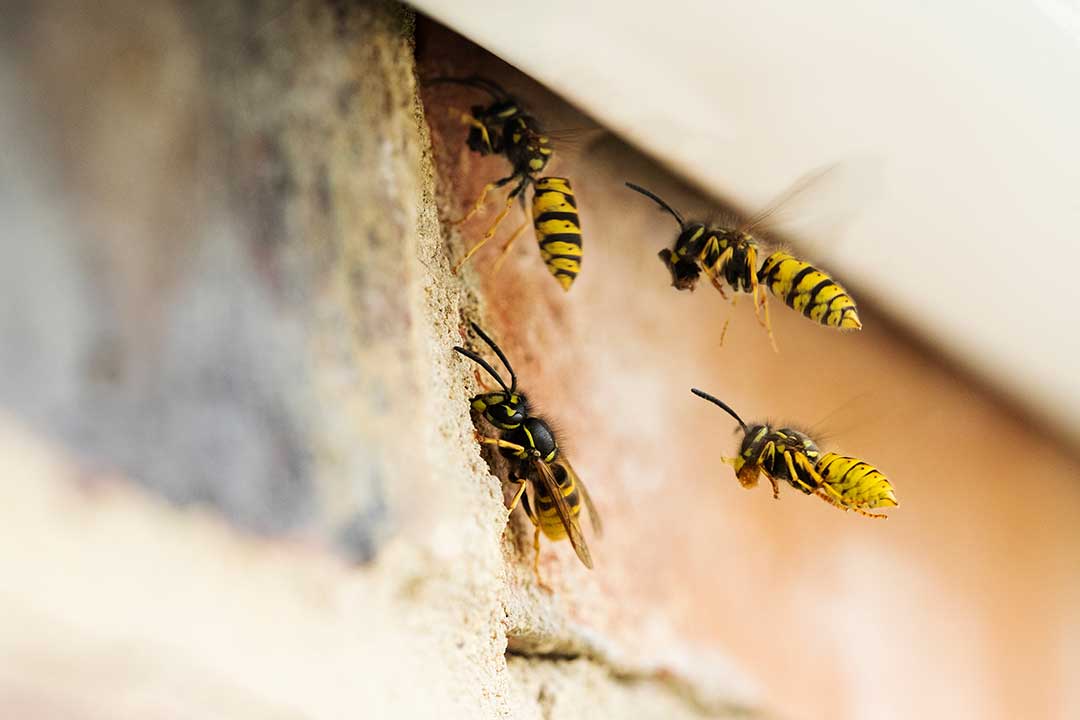
A small, exposed paper nest may sometimes be removed safely from a distance, depending on the species and location. A nest inside a wall, attic, soffit, chimney, or utility area presents a different concern. Repeated stings, large colonies, or a history of severe allergic reactions increase the need for specialized handling.
Do not block an active nest entrance without knowing what is inside. Agitated insects may find another route into the living space.
Bed bugs and persistent fleas
Bed bugs are easy to misidentify and difficult to eliminate with a single spray. They can hide in seams, cracks, bed frames, furniture, and nearby clutter. Fleas may persist because immature stages remain in carpets, upholstery, or protected outdoor areas even after adult insects are removed.
A professional assessment can be useful when bites continue, pests are found in more than one room, or repeated DIY applications have not worked. Avoid combining multiple pesticides without checking whether the products can be used safely together.
What pesticide safety mistakes should homeowners avoid?
The label is the legal and practical guide for using a pesticide. More product does not mean better control. Applying extra concentrate, mixing products, spraying broad indoor surfaces, or using an outdoor chemical indoors can increase exposure without improving results.
Avoid these common mistakes:
- Using foggers or “bug bombs” for routine problems
- Spraying over food-contact surfaces without following cleaning instructions
- Applying chemicals near pet food, aquariums, children’s toys, or bedding
- Using a product for a pest that is not listed on its label
- Pouring leftover pesticide down a drain or onto the ground
- Storing pesticides in drink bottles or unmarked containers
- Applying outdoor products during windy or rainy conditions
- Combining several products in the hope of making them stronger
Keep people and pets away from treated areas according to the label. If exposure occurs, follow the first-aid directions on the product and seek medical or poison-control guidance when appropriate.
How can a homeowner choose between DIY and professional help?
Ask four questions:
1. Is the pest correctly identified?
Misidentification can lead to ineffective or unsafe treatment.
2. Is the problem small and accessible?
A visible, isolated issue is more suitable for DIY control than activity inside walls or beneath flooring.
3. Can the source be corrected?
Fixing moisture, food access, clutter, or entry points may solve the problem without pesticide use.
4. Could treatment harm people, pets, the structure, or the environment?
If the answer is yes, the situation deserves greater caution and may require a licensed professional.
In Texas, structural pest control businesses and applicators are subject to state licensing requirements. For termite work, fumigation, significant rodent activity, concealed nests, or pesticide use in sensitive areas, verify that the person or business is properly licensed for the service being performed.
The most sensible approach is often a combination: handle sanitation, repairs, exclusion, and monitoring personally, while reserving complex, hazardous, or persistent infestations for trained assistance.