

 See My Latest Article on HelloNation
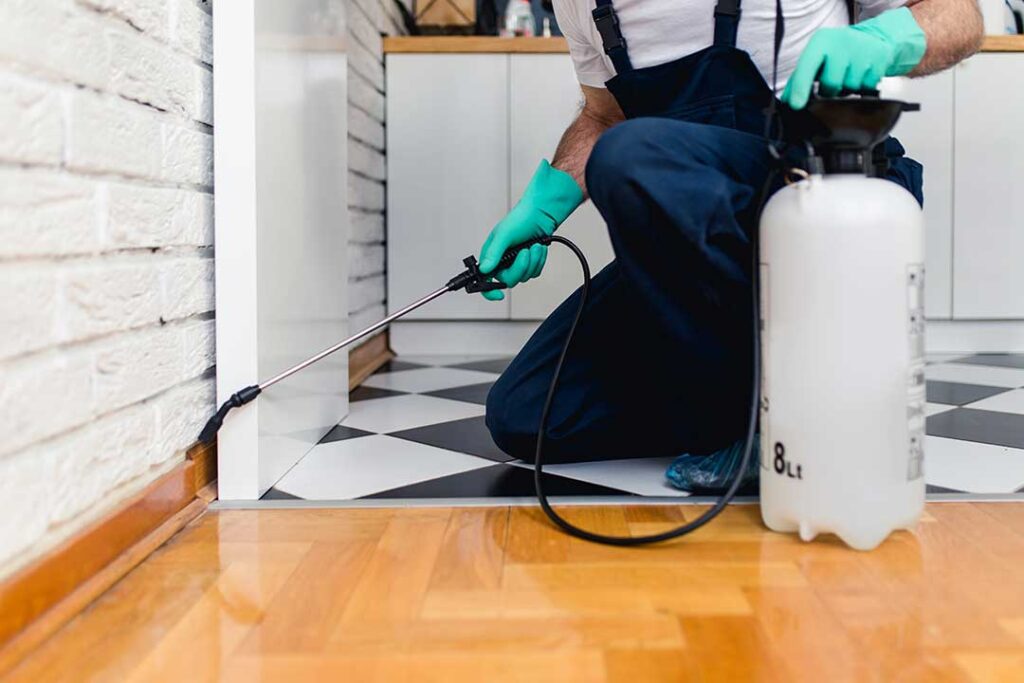
House centipedes can look alarming, but they are usually more helpful than harmful. In most homes, they pose little risk to people, pets, or property and feed on other small pests, including spiders, silverfish, cockroaches, and insect larvae. ([extension.psu.edu](https://extension.psu.edu/house-centipedes?utm_source=openai))
Are house centipedes dangerous to people?
Usually, no. House centipedes are not aggressive toward people, and their small venom-injecting appendages generally have difficulty penetrating human skin. A bite or sting is uncommon and typically happens only when the centipede is trapped, squeezed, or handled. ([entomology.mgcafe.uky.edu](https://entomology.mgcafe.uky.edu/ef645?utm_source=openai))
If a house centipede does manage to sting, the result may feel similar to a small bee sting, with temporary pain, redness, or localized swelling. Serious reactions are unusual, but medical attention is appropriate if symptoms include widespread hives, dizziness, swelling of the mouth or throat, trouble breathing, or signs of infection. ([medlineplus.gov](https://medlineplus.gov/ency/article/002842.htm?utm_source=openai))
The frightening appearance and rapid movement often create more concern than the animal itself. House centipedes do not chew wood, damage wiring, contaminate stored food, or reproduce inside a person’s body. Those are common misconceptions.
Why are house centipedes considered helpful?
House centipedes are predators. They actively hunt other arthropods rather than feeding on household materials. Their prey may include:
- Silverfish and firebrats
- Spiders
- Cockroaches and young cockroaches
- Ants
- Moths and flies
- Small beetles and insect larvae
That means a house centipede may indicate that other insects are available in the structure. It is not necessarily the cause of an insect problem. In some cases, it is simply taking advantage of an existing food supply. Extension entomologists commonly describe house centipedes as beneficial predators, even though many residents understandably consider them unwelcome indoors. ([extension.psu.edu](https://extension.psu.edu/house-centipedes?utm_source=openai))
Allowing one to remain in an out-of-the-way area is generally harmless. However, residents do not have to tolerate frequent sightings. A home can be managed in ways that reduce both centipedes and the insects supporting them.
Why might they appear indoors in Corpus Christi?
House centipedes prefer dark, protected areas with moisture and access to prey. In Corpus Christi, humid conditions, heavy rain, and warm weather can make damp locations around homes more suitable for them. They may be found near bathrooms, plumbing penetrations, utility areas, garages, shaded foundations, closets, or rooms with poor air circulation.
Older housing, slab openings, gaps around doors, and areas with plumbing leaks can create routes into a home. Centipedes may also enter through cracks near the foundation or around poorly sealed windows and doors. Their presence does not automatically mean a house is dirty. Moisture, shelter, and prey are usually more relevant factors than cleanliness.
After rain, changes in outdoor moisture can also push insects and other small arthropods toward sheltered areas. A sudden appearance of centipedes may therefore reflect weather or insect movement rather than a permanent indoor infestation.
How can a house centipede be identified?
A typical house centipede has a flattened, yellowish-brown body with darker stripes, very long legs, and 15 pairs of legs. The legs appear especially delicate and uneven because the rear pairs are longer than those closer to the head. It may also have long antennae and move rapidly across walls or floors.
House centipedes are different from larger, heavier-bodied centipedes that may be encountered outdoors. Identification matters because some larger species are more capable of delivering a painful sting. When uncertain, avoid handling the animal with bare hands.
A clear photograph can help with identification. Important details include body color, leg arrangement, approximate size, location, and whether the animal was found indoors or outside.
What should residents do after finding one?
For an isolated sighting, the simplest approach is to remove it without direct contact. A container and piece of stiff paper can be used to capture and relocate it, or a vacuum can remove it from the room. Avoid crushing it with bare feet or picking it up by hand.
If sightings are occasional, there may be no need for aggressive treatment. Instead, check for conditions that support centipedes and their prey:
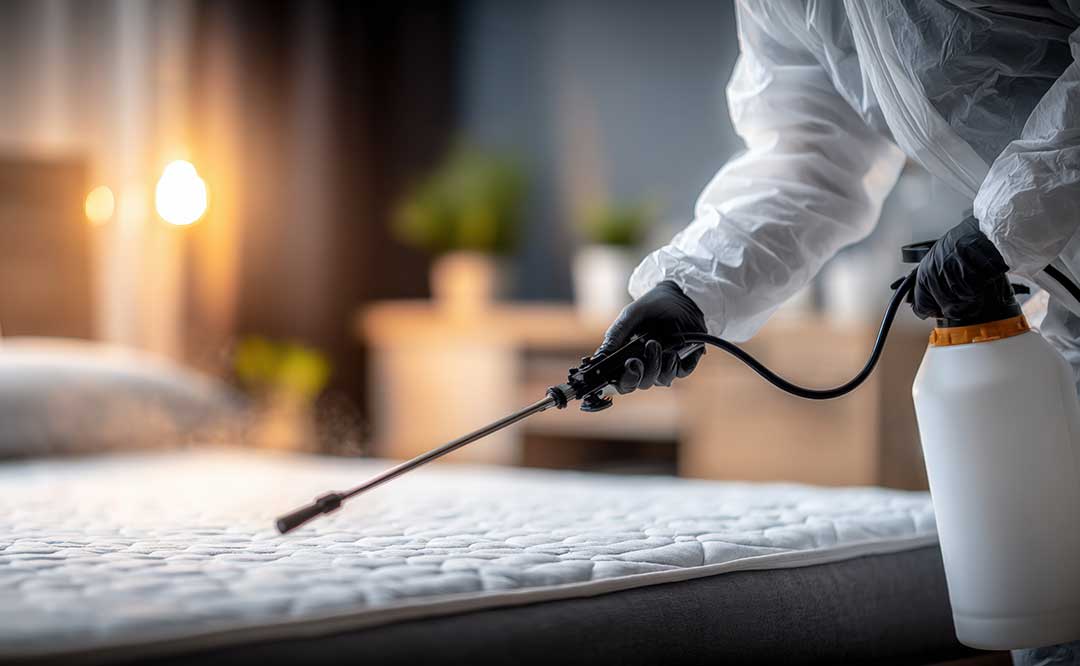
- Repair plumbing leaks and dripping fixtures.
- Improve ventilation in bathrooms and other damp rooms.
- Use a dehumidifier where persistent indoor moisture is present.
- Seal gaps around doors, windows, pipes, and utility lines.
- Remove damp cardboard, leaf buildup, and debris near the foundation.
- Keep stored items elevated and allow air to circulate.
- Use sticky monitoring traps to learn where activity is concentrated.
Reducing the food supply is particularly useful. If centipedes are repeatedly seen in the same area, the underlying issue may be an abundance of spiders, silverfish, or other insects.
Do house centipedes mean a home has a serious pest problem?
Not necessarily. One or two house centipedes can enter a home by chance, especially during wet or unsettled weather. Repeated sightings, however, suggest that the building offers both shelter and prey.
Look for other clues, such as small insects near sinks or windows, spider webs in corners, moisture stains, musty odors, or insects emerging from stored materials. A centipede is often a useful signal that these conditions deserve attention, but it is not proof of structural damage or poor sanitation.
If many centipedes appear throughout the home, if residents are being stung, or if moisture is coming from a concealed leak, the situation deserves closer evaluation. Hazardous conditions such as electrical moisture, sewage problems, or inaccessible water damage should be handled with appropriate safety precautions.
Should house centipedes be killed?
There is no health requirement to kill a house centipede found indoors. Because it is a predator of other household pests, leaving it alone or relocating it is reasonable when practical.
Removal is also understandable when centipedes are appearing frequently, creating distress, or indicating unwanted moisture and insect activity. The most effective long-term response is usually correction of the conditions attracting them rather than relying only on sprays. Moisture control, exclusion, sanitation, and reduction of other insects address the reasons they are present.
For most households, the practical answer is straightforward: house centipedes are generally helpful predators with a very low risk to people. Treat an individual carefully, investigate repeated sightings, and focus on damp areas and the insects that provide their food.