

 See My Latest Article on HelloNation
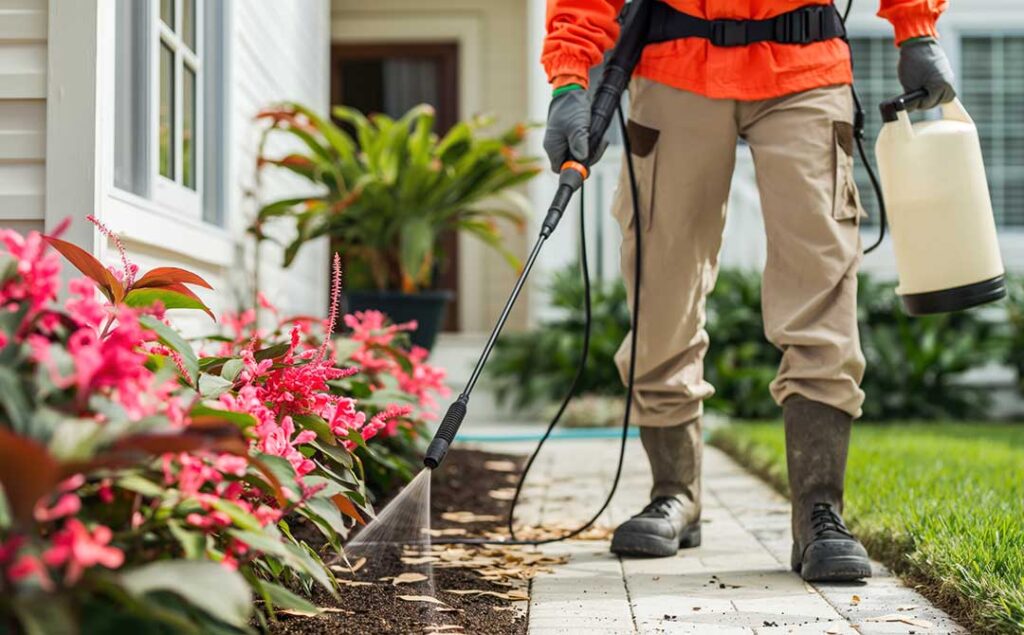
Rental properties are more likely to develop pest problems when small maintenance issues, tenant habits, and building conditions overlap. In Corpus Christi, TX, warm temperatures, humidity, coastal weather, and seasonal storms can create favorable conditions for cockroaches, ants, mosquitoes, rodents, and occasional nuisance wildlife.
The most effective prevention plan is shared: property owners maintain the structure and plumbing, while residents reduce food, water, and shelter sources inside and around the home.
Who is responsible for preventing pests in a rental property?
Property owners generally handle building-related conditions, while residents are expected to keep living areas reasonably clean and report problems promptly. The exact responsibilities depend on the lease and applicable housing rules.
Owners or property managers should address conditions such as:
- Leaking pipes, faucets, or air-conditioning drains
- Gaps around doors, windows, utility lines, and foundations
- Damaged screens, vents, or weather stripping
- Roof, attic, crawl-space, or wall openings
- Water intrusion after heavy rain or storms
- Unsecured trash areas or neglected landscaping
- Persistent moisture under sinks or near appliances
Residents can help by storing food properly, removing trash regularly, cleaning spills, limiting clutter, and notifying management as soon as they see signs of pests. Waiting often allows a small issue to spread into wall voids, cabinets, or neighboring units.
A tenant should document maintenance concerns with written communication and keep copies of photographs, work orders, and responses. This record can be useful when a pest issue appears connected to a plumbing leak, structural gap, or other building condition.
Why does the local climate affect rental pest problems?
Warm weather allows many insects to remain active for much of the year. Humidity also supports pest activity by providing moisture around plumbing, air-conditioning equipment, shaded landscaping, and poorly ventilated areas.
Heavy rain and tropical weather can change pest behavior. Water may drive ants, roaches, and other insects toward higher, drier spaces. Wind and flooding can damage screens, seals, fences, and exterior doors, creating new entry points. After a storm, a rental property may need inspection even if no pests were visible beforehand.
Air-conditioning systems create another local consideration. Condensation lines, drain pans, and nearby soil can remain damp. If these areas are not draining correctly, they may attract insects or contribute to musty conditions that make a home more comfortable for pests.
What should residents check when moving into a rental?
An early inspection can identify conditions that are easier to correct before belongings and furniture fill the home. Check the kitchen, bathrooms, laundry area, garage, patios, storage spaces, and exterior doors.
Look for:
- Droppings in cabinets, drawers, closets, or behind appliances
- Grease marks or rub marks along walls
- Small holes near pipes and electrical lines
- Torn screens or gaps beneath exterior doors
- Dead insects near windowsills or light fixtures
- Moisture under sinks or around toilets
- Standing water in containers, planters, or low areas
- Cracks around windows and wall penetrations
- Unsealed food, damaged packaging, or excessive debris left behind
Photograph existing conditions and report them in writing. This helps distinguish pre-existing conditions from problems that develop later and gives management a clear list of repairs to address.
How can a rental home be kept unattractive to pests?
Pests need food, water, and shelter. Removing or limiting those resources is more reliable than using sprays alone.
In the kitchen, wipe counters after food preparation, clean crumbs from floors, and avoid leaving pet food out overnight. Store dry goods in tightly closed containers rather than open bags or cardboard packaging. Empty indoor trash before it develops odors, especially during warm weather.
In bathrooms and laundry areas, repair or report dripping fixtures. Dry wet surfaces, improve ventilation, and avoid storing damp towels or clothing on the floor. If moisture repeatedly appears under a sink or behind a washing machine, the underlying leak needs attention rather than repeated surface cleaning.
Clutter also matters. Stacks of paper, bags, boxes, and unused belongings create hiding places for insects and rodents. Keep storage items off the floor when practical, leave space around walls, and inspect cardboard before bringing it indoors.
Which entry points are commonly overlooked?
Small openings can be enough for insects and rodents to enter. A door gap that seems minor may become a regular route, particularly when indoor light, food odors, or moisture are present.
Frequently overlooked locations include:
- Gaps around plumbing beneath sinks
- Openings around air-conditioning lines
- Spaces behind utility meters or electrical conduits
- Torn screens in windows and vents
- Gaps around garage doors
- Cracks where patios meet exterior walls
- Unsealed attic or crawl-space vents
- Damaged weather stripping around entry doors
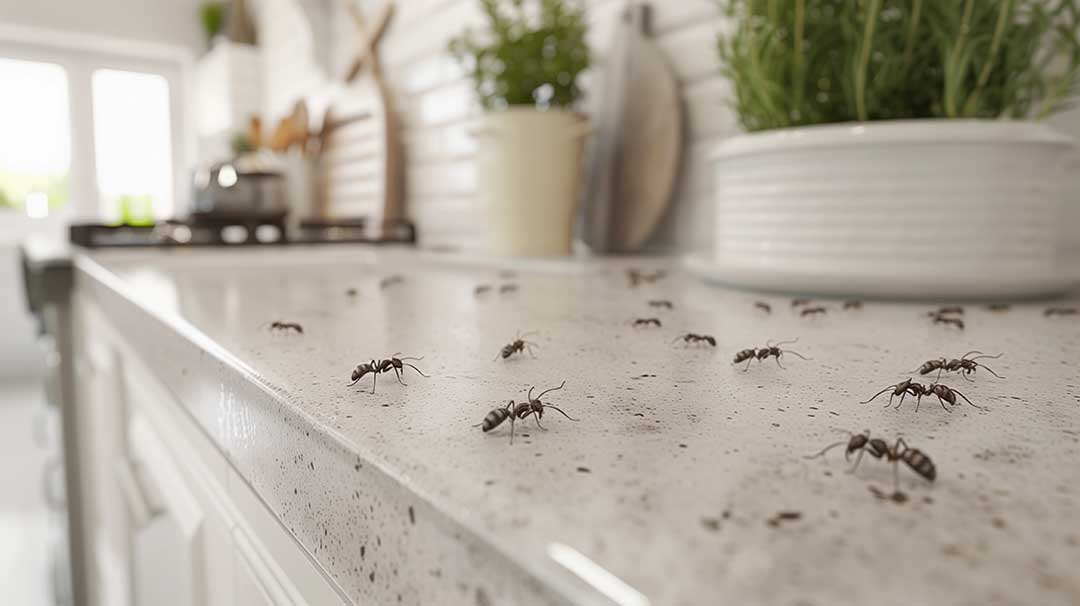
Residents should not alter electrical, plumbing, fire-safety, or ventilation components without permission. Report these areas to the property owner or manager so repairs can be completed safely and in accordance with the lease.
How should outdoor areas be managed?
Outdoor conditions often influence what enters a rental home. Keep trash containers closed, rinse food residue from recyclable materials, and avoid placing bags beside exterior walls for long periods.
Moisture should be reduced where possible. Report clogged gutters, leaking outdoor faucets, broken irrigation lines, and drainage that leaves standing water near the building. Empty water from buckets, toys, plant saucers, and other containers after rainfall.
Vegetation touching walls or rooflines can provide pathways and shelter. Residents should follow lease rules before trimming or removing plants, but overgrown areas should be reported if they block vents, conceal gaps, or remain damp against the structure.
Mosquito prevention also depends on eliminating standing water. Even small containers can produce mosquitoes during warm conditions. Outdoor pet bowls, decorative items, and clogged drains deserve regular attention.
Are store-bought pesticides necessary for prevention?
Routine pesticide use is not always necessary and may create avoidable risks if products are misapplied. Spraying over counters, near food, inside outlets, or around children and pets can be dangerous. Foggers and “bug bombs” may also fail to reach pests hiding inside walls or cracks while increasing exposure to occupants.
Before using a pesticide, read the entire label and follow its directions. Do not use an outdoor product indoors, combine chemicals, or apply more than the label allows. In a rental property, residents should also review the lease and notify management when treatment may affect neighboring units.
A recurring problem may require coordinated attention to sanitation, moisture, entry points, and nearby units. Treating only the visible insects often provides temporary relief while leaving the source untouched.
When should a pest problem be reported immediately?
Report problems promptly when there are numerous pests, repeated sightings, signs of rodents, stinging insects near living areas, sewage or plumbing leaks, or evidence that pests are entering through walls or ceilings.
Extra caution is appropriate when residents see:
- Droppings near food storage or sleeping areas
- Chewed wiring, insulation, or stored items
- Multiple insects emerging from outlets or wall gaps
- A strong, persistent odor from hidden areas
- Pest activity after flooding or major water damage
- Nests near doors, windows, play areas, or ventilation openings
Children, older adults, people with respiratory conditions, and pets may be more sensitive to pesticides and contaminated areas. Until the source is addressed, limit access to affected spaces, avoid disturbing nests, and follow any safety instructions provided by the property manager or product label.
A well-maintained rental property is less likely to support recurring pest activity, but prevention requires communication as well as cleaning. Prompt reporting, moisture control, careful food storage, sealed entry points, and post-storm inspections are practical steps that help protect both individual units and neighboring households.