

 See My Latest Article on HelloNation

Why Are Fruit Flies a Problem in Corpus Christi, TX Homes?
Fruit flies often cause frustration for residents in Corpus Christi, TX, especially during the warmer, humid months. These tiny insects thrive in kitchens, pantries, and any place where ripe or decaying produce and moisture are present. Unlike larger pests, fruit flies reproduce rapidly, making even small infestations feel overwhelming. Their presence not only causes annoyance but also raises concerns about food safety and cleanliness in homes.
What Attracts Fruit Flies Indoors?
Fruit flies are mainly drawn by fermenting or rotting organic matter. In Corpus Christi, the warm coastal climate means that fruits and vegetables spoil quickly if not stored properly. Common household attractants include:
- Overripe fruits and vegetables left on counters
- Food debris or sticky residues in sink drains
- Unrinsed recycling, especially juice, wine, or soda containers
- Wet mops, trash cans, and compost bins
Even a small forgotten piece of produce can attract dozens of these pests in a matter of days.
How Can You Find and Remove Fruit Fly Breeding Sites?
Locating and eliminating breeding sites is the fastest way to disrupt the fruit fly life cycle. Start by inspecting areas where food is stored, prepared, or discarded. Areas frequently overlooked in the city include:
- Drain traps, especially kitchen and utility sinks
- Garbage disposals—run them with soap and water to rinse away food buildup
- Trash cans and recycling containers—wash these regularly
- Baggage of purchased fruits and vegetables from local markets; eggs may hitchhike home unseen
It’s effective to clean these spots thoroughly with hot, soapy water and keep them dry whenever possible.
What Simple Traps Catch Fruit Flies Quickly?
Homemade traps are a practical, affordable solution. A quick trap can be set up using basic kitchen supplies:
Apple Cider Vinegar Trap
- Pour apple cider vinegar into a small bowl
- Add a drop of dish soap (this breaks the surface tension so flies sink)
- Cover the bowl loosely with plastic wrap and poke small holes in the top
Another method is to cut up a ripe banana and place it in a jar, covering the top with plastic wrap and holes. Position traps wherever fruit flies gather. Check daily and dispose of captured flies and bait.
Are There Preventive Steps Specific to Local Households?
In Corpus Christi, high humidity and frequent grocery trips for fresh produce make continuous prevention important. Residents can take these steps:
- Store fruits and vegetables in the refrigerator instead of on countertops
- Empty kitchen trash and compost frequently, especially in summer
- Wipe down kitchen surfaces to remove sugary residues
- Rinse recyclables before placing them in bins
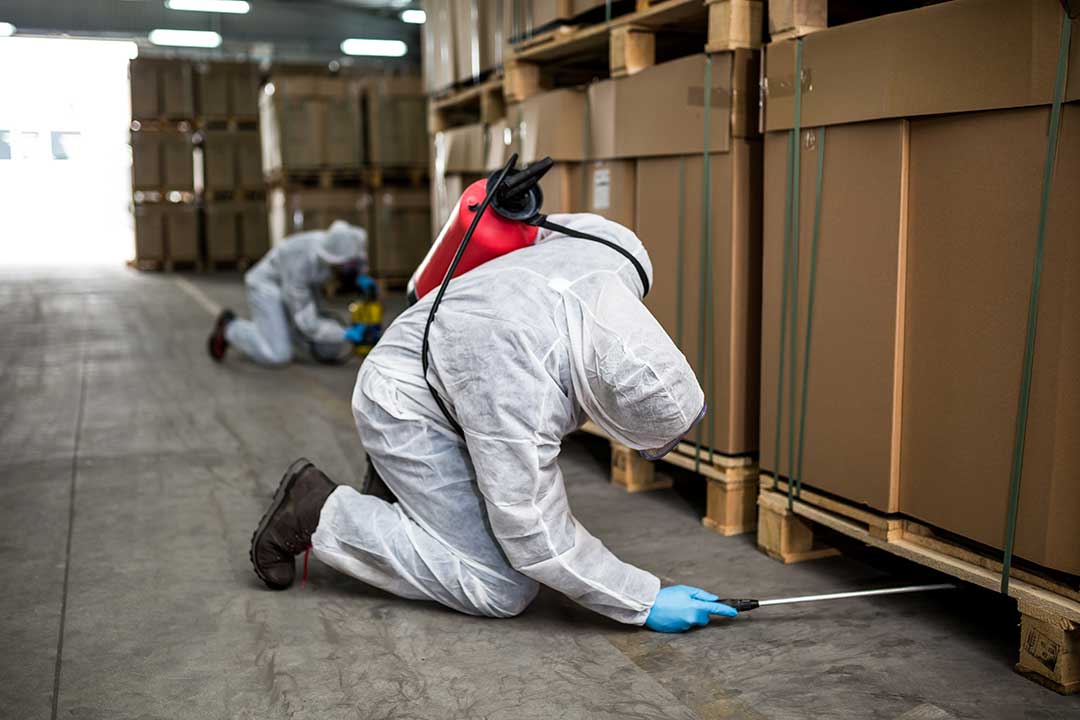
Keeping windows and doors screened also prevents new fruit flies from entering, especially when outdoor weather is humid and produce is left to ripen.
Can Drains and Plumbing Contribute to Fruit Fly Issues?
Yes, moist organic matter in drains and garbage disposals makes an ideal breeding ground. To address this:
- Flush drains with boiling water or a baking soda and vinegar solution
- Use a stiff brush to scrub the inside of the drain, removing residues
- Run garbage disposals frequently, following with soapy water
For ongoing problems, make checking drains part of regular kitchen maintenance routines.
What Should You Avoid When Trying to Get Rid of Fruit Flies?
It’s common to overlook some attractants or try ineffective methods. Avoid these mistakes:
- Relying on store-bought sprays—while these kill adult flies, they rarely reach eggs or larvae in drains or hidden spots
- Ignoring hidden produce or forgotten food inside pantries or cabinets
- Forgetting to empty and clean compost bins and trash containers
Sustained attention to both removal and prevention is important for lasting results.
How Long Does It Take to Solve a Typical Fruit Fly Infestation?
Most minor infestations resolve within a week if breeding sites are eliminated and traps are used consistently. In the subtropical conditions of Corpus Christi, fruit flies may return if preventive steps lapse, so habit changes and regular cleaning help prevent repeat outbreaks.