

 See My Latest Article on HelloNation
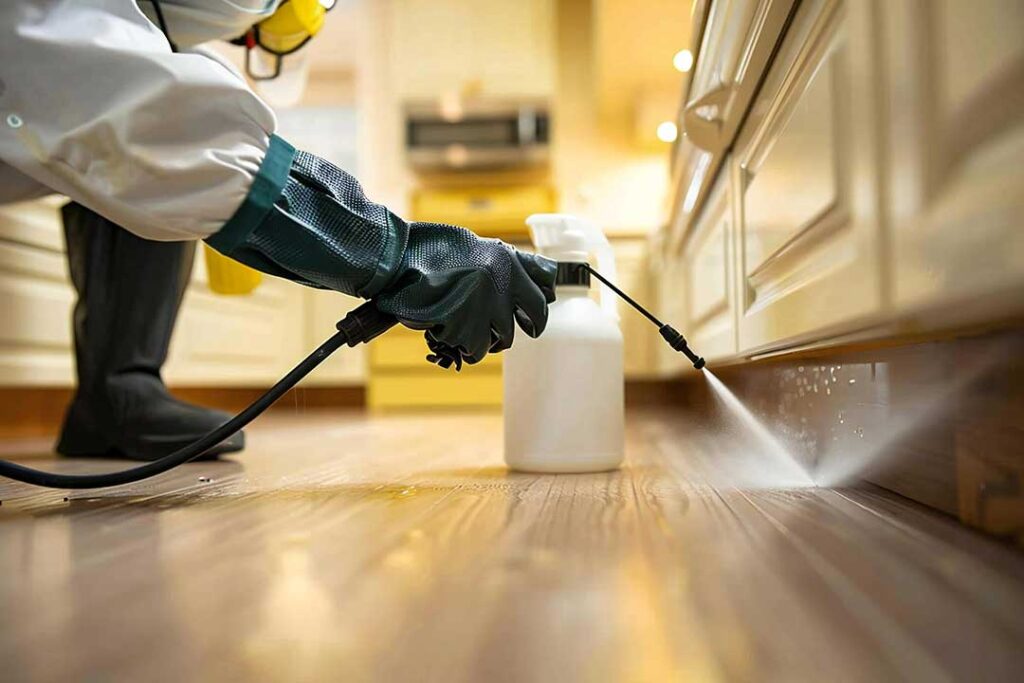
Why pest safety deserves special attention around children
Children can be exposed to pests and pest-control products in different ways than adults. They play on floors, touch outdoor surfaces, put their hands in their mouths, and may not recognize that a bait station, insecticide container, or treated area could be dangerous.
In Corpus Christi, warm weather, coastal humidity, standing water, and frequent outdoor activity can increase encounters with mosquitoes, ants, cockroaches, stinging insects, fleas, and other pests. The safest approach is to reduce conditions that attract pests while limiting children’s access to pesticides and treated areas.
How can parents reduce pests without immediately using chemicals?
The first step is prevention. Many household pest problems can be reduced by removing food, water, and shelter that pests use.
Useful habits include:
- Wipe up food and drink spills promptly, especially sweet liquids.
- Store snacks, cereal, and pet food in sealed containers.
- Empty indoor trash regularly and keep outdoor garbage containers closed.
- Repair plumbing leaks and dry damp areas under sinks.
- Clean crumbs from beneath appliances and furniture.
- Keep window screens in good repair and seal visible gaps around doors.
- Remove standing water from buckets, toys, plant saucers, pet dishes, and outdoor containers.
- Keep children’s toys, playhouses, and outdoor equipment away from areas where insects gather.
- Trim vegetation that touches the home, while keeping outdoor play areas clear.
After rain, containers that hold only a small amount of water can become mosquito breeding sites. Checking the yard regularly is especially useful during warm, humid periods.
Are pesticides dangerous for children?
Pesticides can be harmful if they are swallowed, inhaled, splashed into the eyes, absorbed through the skin, or used incorrectly. Risk depends on the product, the amount, the route of exposure, and the child’s age and health.
A product labeled for household use is not automatically harmless. “Natural,” “botanical,” or “plant-based” products can still irritate skin, affect breathing, or cause poisoning if misused.
Parents should:
- Read the entire label before using a pesticide.
- Follow the required amount and application method.
- Keep children and pets away from treated areas for the full time stated on the label.
- Never spray near food, dishes, toys, bedding, or children’s hands.
- Avoid using outdoor products indoors.
- Never mix pesticides or combine them with household cleaners.
- Keep products in their original containers with labels attached.
- Store pesticides in a locked cabinet or secured area that children cannot access.
Pesticides should never be transferred into cups, drink bottles, food containers, or other packaging that a child might recognize as safe.
How should parents handle indoor sprays, foggers, and bait stations?
Indoor sprays should be used sparingly and only where the product label allows. Spraying an entire room is usually unnecessary and can increase exposure without addressing the source of the pest problem.
Foggers and “bug bombs” can create serious risks if used incorrectly. They may leave residues, spread chemicals into unintended areas, and create fire or inhalation hazards. Children, pets, and anyone with breathing problems must stay out of the treated space as directed. The home also needs the required ventilation period before people return.
Baits can reduce exposure compared with widespread spraying, but they are not risk-free. Place them only where children cannot reach them, such as inside secured bait stations or inaccessible areas approved by the product label. Never leave loose pellets, powders, or gel placements where a child can touch or taste them.
A bait station that looks like a toy or food container should be removed and replaced with a safer placement.
What should parents know about mosquito repellent?
Mosquito repellent should be selected and applied according to the product label. Products containing ingredients such as DEET or picaridin can be used safely when directions are followed.
Parents or caregivers should apply repellent to young children rather than allowing them to apply it themselves. Do not put repellent on a child’s hands, eyes, mouth, cuts, irritated skin, or under clothing. For a child’s face, apply the product to an adult’s hands first, then gently spread it on exposed skin while avoiding the eyes and mouth.
Additional precautions include:
- Use only enough product to cover exposed skin.
- Wash treated skin after outdoor activity when the label recommends it or when protection is no longer needed.
- Apply sunscreen first if both products are being used.
- Do not use oil of lemon eucalyptus or para-menthane-diol products on children younger than 3 years.
- Use lightweight long sleeves and pants when practical.
- Cover strollers and carriers with mosquito netting designed for that purpose.

Pure essential oils are not necessarily equivalent to tested, registered insect repellents. A pleasant scent does not establish that a product is effective or appropriate for children.
How can families make outdoor play safer?
Outdoor pest safety involves more than repellent. Before children play, look for active ant mounds, wasp nests, bees around flowering plants, fire ant activity, and areas of standing water.
Teach children not to:
- Touch or disturb nests, mounds, or insects.
- Swat at bees or wasps.
- Walk barefoot through grass or brush.
- Pick up dead or live insects.
- Drink from uncovered outdoor cups or containers.
- Play near recently treated lawns, gardens, or surfaces.
Light-colored clothing, closed shoes, and attention around flowering plants can reduce some encounters with stinging insects. Food and drinks should remain covered outdoors, especially sweet beverages that attract insects.
If a child is stung, move away from the area first. Watch for swelling beyond the immediate sting site, trouble breathing, dizziness, vomiting, or swelling of the lips, tongue, or throat. These symptoms require emergency medical help.
What should parents do after possible pesticide exposure?
If a child may have swallowed a pesticide, inhaled a large amount, gotten it in the eyes, or developed unusual symptoms after exposure, act promptly. Move the child away from the source and keep the product container or label available for medical guidance.
Do not induce vomiting unless instructed by a medical professional or poison specialist. Do not give food, drink, or home remedies unless directed. For urgent symptoms such as trouble breathing, unconsciousness, seizure, or severe confusion, call 911. For suspected poisoning in the United States, Poison Control can be reached at 1-800-222-1222.
Skin or eye exposure may require rinsing with clean running water, but the product label and poison specialists should guide the next steps. A child who appears well can still require advice if the product or amount is uncertain.
What should families ask before a treatment occurs?
Before any pesticide application inside or around a home, parents should know:
- What product will be used?
- Where will it be applied?
- How long must children and pets stay away?
- What ventilation is required?
- Should toys, dishes, bedding, or food be covered or removed?
- What should be done if a child touches a wet or treated surface?
- Are there lower-exposure methods that could address the same pest problem?
Clear instructions matter more than broad assurances that a product is “safe.” The label’s directions and reentry restrictions should control.
For households with infants, asthma, allergies, developmental disabilities, or children who frequently place objects in their mouths, extra caution is appropriate. Prevention, targeted treatment, secure storage, and careful supervision provide a safer foundation than routine, widespread pesticide use.