

 See My Latest Article on HelloNation
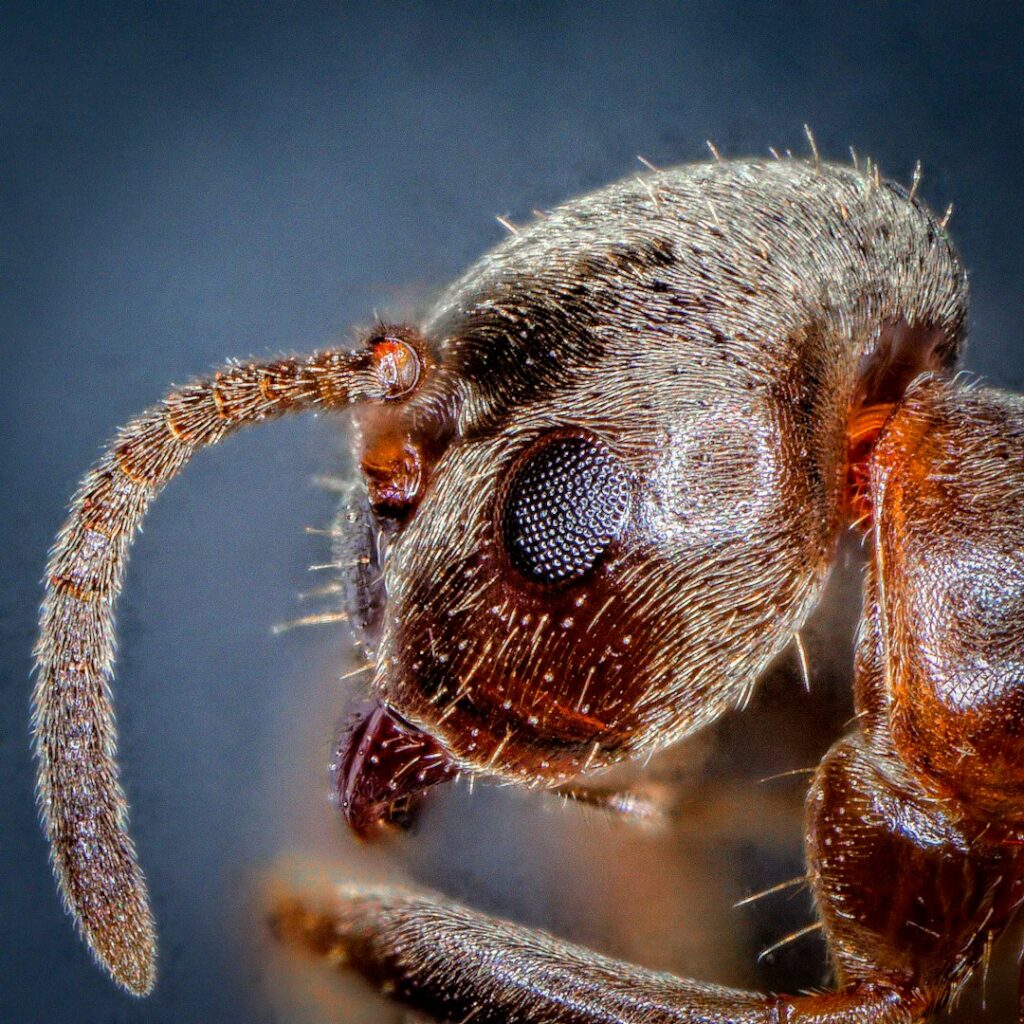
How Can You Tell if You’re Dealing With Termites or Carpenter Ants?
Both termites and carpenter ants can damage wooden structures in Corpus Christi, TX, but they are very different insects, and recognizing which pest is present is the first step in managing them effectively. While both are active throughout the warmer, humid months typical of the region, their habits, appearance, and the signs they leave behind vary significantly.
What Do Termites and Carpenter Ants Look Like?
Termites and carpenter ants are sometimes mistaken for one another because winged reproductive individuals (called swarmers) in both groups emerge in spring or after heavy rains. However, even their winged forms can be distinguished with a careful look:
- Termites: Generally have straight antennae, soft pale bodies, and a more uniform width from head to abdomen. Their wings are both equal in size and extend noticeably past their abdomen.
- Carpenter Ants: Larger, usually black or dark red, with bent (elbowed) antennae and a narrow, constricted waist. Their front wings are larger than their hind wings and don't extend as far past the body as termite wings.
Homeowners often confuse the two during the swarm season, but a closer look at a trapped or dead insect (if safely possible) can often solve the mystery.
What Types of Damage Do They Cause?
While both insects can weaken wood, how they do so is quite different, and this impacts local repair strategies:
- Termites: Eat wood from the inside out, consuming cellulose and often leaving a thin layer of wood or paint on the surface. Damage appears as hollowed, honeycomb-patterned tunnels running parallel to the grain.
- Carpenter Ants: Don’t eat wood; instead, they excavate galleries to create nests. The excavated wood is pushed out and can appear as piles of sawdust (frass) near the nest. Their tunnels are smoother and more sculpted compared to the rough, soil-filled chambers of termites.
Where Are You Likely to Find Each Pest in Corpus Christi?
Both pests seek out moisture and shelter, but each has preferences shaped by the local Gulf Coast climate:
- Termites: Particularly subterranean termites, which are most common in the area, nest in the soil and move upward into wooden structures. They look for wood in contact with soil, moisture-damaged wood, or foundations with leaks.
- Carpenter Ants: More often found in damp, decaying wood around windows, eaves, roofs, or plumbing leaks. Large, mature colonies may expand into sound wood, but damp or previously damaged wood is the preferred starting point for new nests.
Corpus Christi’s hot, muggy summers, mild winters, and periodic storms mean unfinished or water-damaged wood around houses can be especially vulnerable to both pests.
What Are the Most Common Signs of Termites Versus Carpenter Ants?
Here are the practical differences local residents might notice:
- Termite Signs:
- Mud tubes climbing foundation walls or crawlspaces
- Swarms of winged insects, especially near windows
- Hollow-sounding wood or unexplained paint blisters
- Tiny, pellet-like droppings if drywood termites (less common, but present)
- Carpenter Ant Signs:
- Small piles of coarse sawdust (frass), often with bits of insect parts
- Rustling sounds inside walls, especially at night
- Seeing worker ants indoors, often following plumbing or electrical lines
- No mud tubes

Can These Pests Be Active Year-Round in Corpus Christi?
Termites can be active all year in the city’s relatively warm and humid climate, though visible swarms are more likely in spring and after storms that leave the ground moist. Carpenter ants are also capable of year-round indoor activity, especially in heated structures or where there’s ongoing moisture. Outdoor activity typically peaks from late spring through early fall.
Are There Specific Local Risks or Considerations?
Wooden homes, pier-and-beam foundations, and the presence of mature trees (especially if limbs contact structures) are especially vulnerable. Termites thrive in the sandy, often poorly draining soils common in many neighborhoods and are drawn to moisture from irrigation or A/C condensate runoff. Carpenter ants exploit rot-prone softwoods around roof edges or window frames—problems made worse by hurricane or storm damage.
Water management and careful home maintenance, such as fixing leaky gutters, managing vegetation close to walls, and inspecting crawlspaces, are essential to minimizing risk.
What Are Common Misconceptions About These Pests?
One routine confusion: residents sometimes assume any ant in the house must be a carpenter ant if it’s large, or presume all wood damage is caused by termites. In reality:
- Most ants indoors in the city are not carpenter ants and do not damage wood.
- Not all “termite damage” is active; sometimes, it’s old and inactive.
- Drywood termites (which don’t build mud tubes) can occasionally be found in furniture or attic beams, so not finding mud tubes doesn’t always rule out termites.
Proper identification is key to effective prevention and management.
What Should Corpus Christi Residents Do Upon Finding Signs?
Direct physical identification is the most reliable way to distinguish carpenter ants from termites. If it’s feasible and safe, collecting a specimen for close inspection—or for showing to local cooperative extension offices or entomologists if needed—can quickly clarify which pest is present.
For both pests, reducing home moisture (indoors and out), repairing leaks, and eliminating wood-to-soil contact noticeably decreases risk over time. If extensive activity is found (especially if structural integrity is in question), specialized assessment and treatment may be necessary to ensure a safe and effective solution.