

 See My Latest Article on HelloNation

How Can You Tell If Rodents Are Hiding in Your Home?
Rodents rarely make dramatic appearances until their numbers grow, but hidden activity can create property damage and health risks long before anyone spots a rat or mouse. In Corpus Christi, TX, recognizing early warning signs is vital, as the region’s weather, housing, and seasonal patterns all shape how rodents move in and out of area homes. Subtle clues often reveal more than most people expect.
What Physical Clues Suggest Rodents May Be Present?
Spotting rodents themselves is uncommon in the early stages, but evidence of their presence can often be found in overlooked places. Here’s what area households tend to notice first:
- Small, dark droppings—often found in kitchen cupboards, under sinks, or tucked behind appliances—are a classic indication. Droppings from mice are typically form small, tapered pellets, while rat droppings are larger.
- Gnaw marks on food packaging, wires, wood, or baseboards may appear unexpectedly. Rodents gnaw not just to eat, but to wear down their constantly growing teeth.
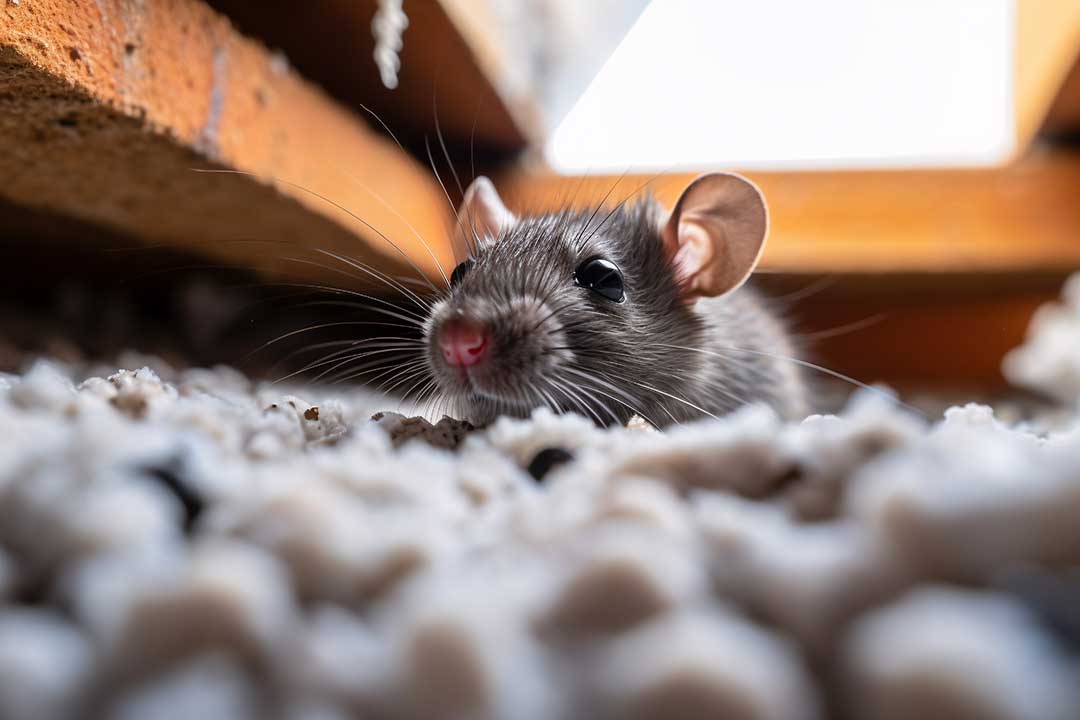
- Unusual accumulation of shredded paper, fabric, or insulation material can signal nesting activity, especially in attics, garages, and storage areas.
- Greasy streaks or rub marks along walls or baseboards, caused by the natural oils in rodent fur, can appear next to frequent travel paths.
Corpus Christi’s humid coastal air can lead to mustiness, making it easy to overlook the faint, stale smell that sometimes comes with rodents. Residents in pier-and-beam or older homes may want to pay extra attention to crawl spaces and hidden corners.
Are Odd Noises a Reliable Sign?
Noises are one of the most common—and unsettling—ways rodents give themselves away. If unusual sounds tend to occur after dark, pay close attention:
Rodents are mostly nocturnal. Persistent scratching, rustling, or scurrying sounds behind walls or above ceilings—especially after midnight—are a frequent sign. In the city’s single-family homes, these noises often travel from attics, wall voids, or between floors, as rodents search for food or interact with nesting material. If pets seem to bark, paw, or sniff consistently at certain walls or vents, this instinct is often worth trusting.
Why Do Unexplained Odors Develop?
Rodent infestations sometimes create subtle but distinctive smells. It’s common for local residents to notice:
- Ammonia-like odors where droppings or urine accumulate, often strongest in enclosed pantries, under sinks, or behind appliances that aren’t regularly moved.
- A musky, stale scent—distinct from the typical humidity—that persists despite cleaning, especially where ventilation is poor.
- In severe infestations, the smell of decay can develop from rodent deaths inside walls or floor voids.
These odors can be easily masked by everyday scents, but if you notice persistent foul smells despite taking out trash and cleaning, rodents could be the cause.
Why Might Food Supplies Show Signs Before You See Rodents?
Pantries and dried food storage areas are frequent targets, particularly as cooler months encourage rodents indoors in search of warmth and calories. Signs may include:
- Torn or chewed-through food packaging, especially grains, cereal, pet food, or snacks low to the ground.
- Scattered crumbs or small food piles in hidden corners or behind appliances, suggesting rodents are hoarding.
- Unexplained drop in pet food left out overnight, or water bowls contaminated with bits of nesting material.
In Corpus Christi, leaving food or pet kibble out overnight can unintentionally attract rodents, especially during seasonal rain or drought when natural resources are scarce.
How Do Entry Points and Structural Changes Help Reveal a Problem?
Rodents only need a gap the size of a dime (for mice) or a quarter (for rats) to squeeze into homes. The city’s mix of older housing stock and storm-prone weather makes small structural changes especially important to monitor.
Look for:
- Fresh gnawing or burrows around home foundations, outdoor sheds, or under patios.
- New holes near plumbing, HVAC lines, or dryer vents—rodents often exploit existing utility entries.
- Gaps or cracks along garage doors, attic eaves, or rooflines that seem wider than before.
Because Corpus Christi homes must often withstand both heat and coastal storms, any new opening not only risks energy loss but can invite hidden rodent activity.
What Are Common Misconceptions About Hidden Rodent Issues?
It’s easy to assume rodents are only a problem in cluttered or dirty homes, but that’s not true. Even well-kept houses can attract rodents if food is accessible or landscaping creates easy hiding spots. Other inaccurate assumptions include:
- Believing pets will eliminate all rodent risks—while some pets deter, others might simply alert homeowners without actually controlling an infestation.
- Assuming no visible droppings means no rodents—many rodents travel hidden paths or use wall spaces where evidence is hard to spot.
- Mistaking squeaks and soft noises as “just the house settling”—repeated sounds late at night can often mean something more.
What Should You Do if You Suspect Hidden Rodents?
Hidden rodent problems don’t always require an immediate call for professional intervention, but they do benefit from prompt action. Once you suspect an issue, start by:
- Safely cleaning and removing potential nesting material with gloves and a mask to avoid airborne particles.
- Storing all food, including pet and bird food, in tightly sealed containers.
- Regularly inspecting and sealing visible entry points with sturdy materials like steel wool or hardware cloth.
For some local residents, especially in flood-prone neighborhoods or highly vegetated areas, persistent or severe issues may eventually require extra measures. Any indication of rodent activity near electrical wiring, large colonies, or in sensitive community locations should be addressed with caution to protect health and infrastructure.