

 See My Latest Article on HelloNation
Are pest control chemicals safe for pets? Often, yes—when the correct product is used exactly as directed and pets are kept away during application and the required reentry period. However, no pesticide should be treated as automatically harmless. Risk depends on the chemical, the amount used, the application method, the animal’s species and health, and whether the pet can lick, breathe, or ingest the product.
For households in Corpus Christi, pest concerns may increase during warm, humid periods when insects remain active for long stretches. A safe treatment plan is less about avoiding every pesticide and more about preventing unnecessary exposure.
What makes a pest control chemical risky for pets?
The main risks are inhalation, skin contact, and swallowing. A pet may be exposed by walking across a wet treatment, licking residue from its paws, chewing a bait station, grooming another treated animal, or drinking from a contaminated water bowl.
Risk also varies by species. Cats, dogs, birds, fish, reptiles, rabbits, and small mammals do not process chemicals in the same way. A product that is approved for use on dogs may be unsafe for cats, and a household spray may be dangerous to fish or birds even when the label does not identify a major risk to dogs.
Other factors that can increase concern include:
- Using more product than the label permits
- Applying a product to an animal or surface not listed on the label
- Treating a poorly ventilated indoor area
- Allowing pets to return before a spray has dried
- Leaving food, water, toys, or bedding in the treatment area
- Using loose rodent bait where pets can reach or dig it up
- Treating sick, elderly, very young, pregnant, or medication-sensitive animals without veterinary guidance
“Natural,” “organic,” or plant-based does not automatically mean safe for pets. Essential oils and concentrated botanical ingredients can still irritate the skin, affect the nervous system, or cause illness when swallowed.
How long should pets stay away after treatment?
Pets should remain away for the time stated on the pesticide label, or until the treated surface is completely dry and the area has been well ventilated—whichever requirement is longer. Some products may require a specific waiting period, while others may prohibit reentry until drying is complete.
Drying is not the same as making an area safe for every animal. Granules placed on lawns may need additional time to dissolve into the soil or settle. Dusts may remain accessible in cracks, under appliances, or along baseboards. Baits may remain hazardous after placement because they are designed to attract animals.
Before indoor treatment:
- Remove pets from the area, including birds, reptiles, and small mammals.
- Take away food bowls, water bowls, toys, bedding, and chew items.
- Cover or remove aquariums as directed by the product label.
- Keep pets out until all required conditions have been met.
- Wash food preparation surfaces if the label requires it.
Foggers and total-release aerosols require special caution. Every animal must be removed from the home, including fish and caged pets. The fine mist can spread throughout rooms and may enter aquarium equipment or circulate through heating and cooling systems. These products should never be used casually or without carefully following every label instruction.
Are pest control baits safe around dogs and cats?
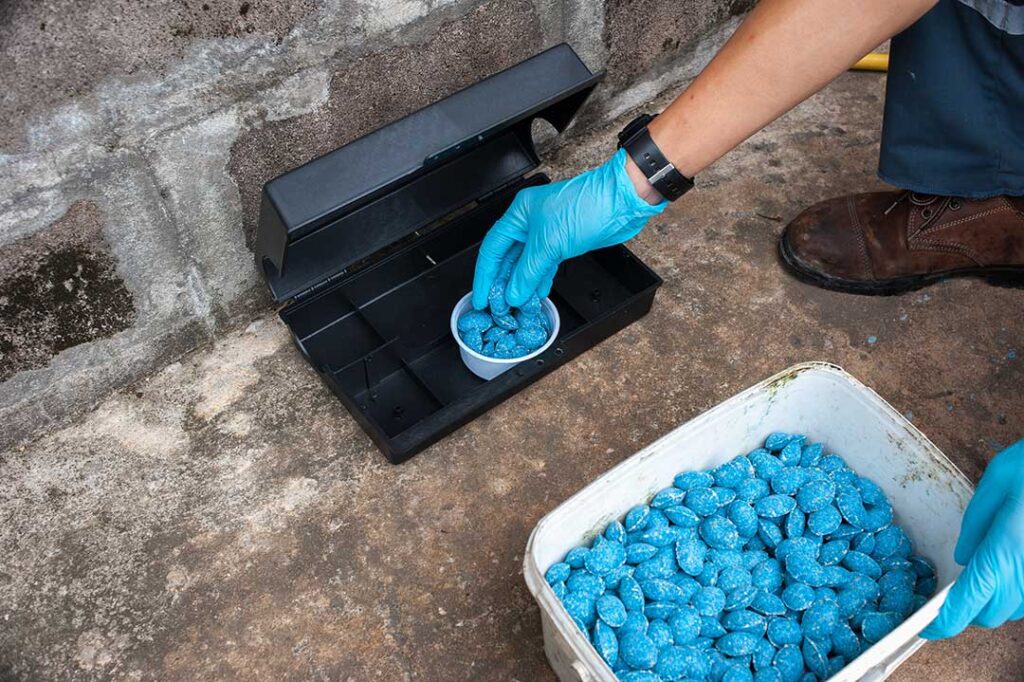
Baits can reduce airborne pesticide exposure, but they are not automatically pet-safe. Rodent and insect baits contain substances that may be attractive to pets. A dog may chew through a container, a cat may reach behind an appliance, or an animal may dig up outdoor bait.
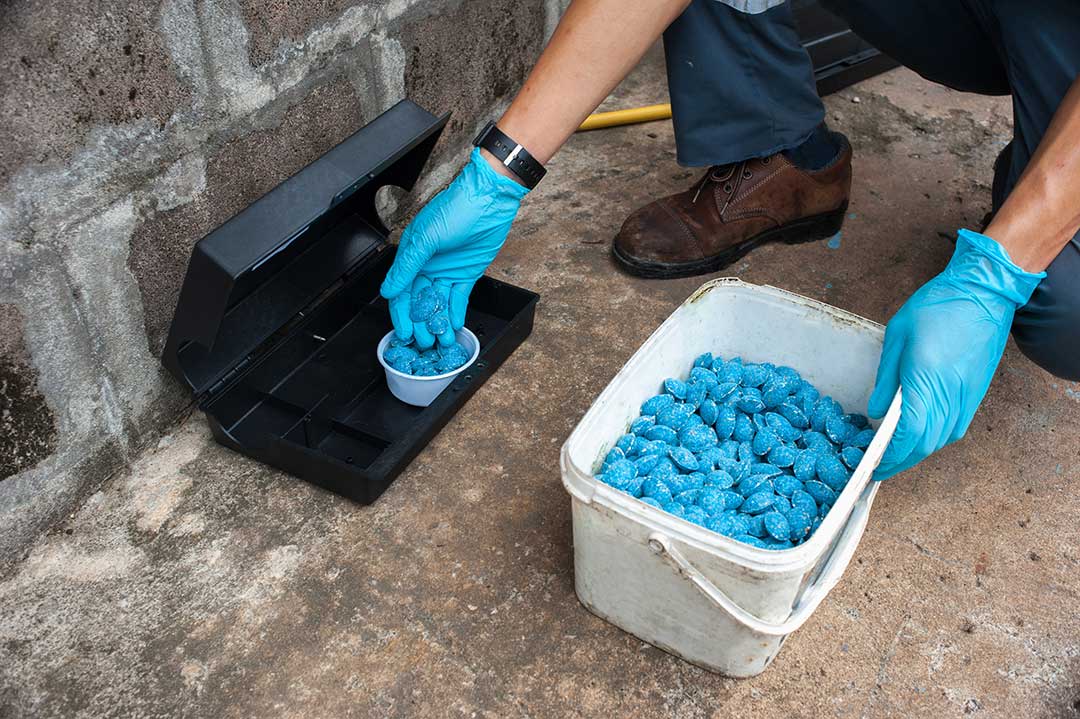
Baits should be placed only in locations inaccessible to pets and children, preferably inside a properly secured bait station when the label permits. Loose pellets, open trays, and bait placed near feeding areas create unnecessary risk.
Pets can also be harmed after eating a poisoned rodent. This secondary exposure varies by product and amount, but it is another reason to prevent pets from accessing dead or dying rodents after baiting.
Never use a pesticide intended for a building, yard, or garden directly on a pet. Products for treating animals must be specifically labeled for that animal species, age, size, and weight.
What about flea and tick products applied directly to pets?
Flea and tick products should be selected and applied carefully. Use only the product labeled for the animal’s species and weight. Dog products should never be applied to cats unless the label specifically says they are approved for cats. Some ingredients that dogs tolerate can cause severe reactions in cats.
Do not split a large-animal dose between smaller animals unless the label specifically permits it. Do not apply products to puppies or kittens below the stated minimum age. Extra caution is also appropriate for animals that are elderly, ill, underweight, pregnant, nursing, or taking medication.
After applying a topical product, keep pets separated until the application site is dry. This prevents one animal from licking the product off another. Wash hands after application and keep the container or packaging available in case a veterinarian needs to identify the ingredients.
Possible warning signs include:
- Excessive drooling
- Vomiting or diarrhea
- Trembling, agitation, or unusual weakness
- Trouble walking or lack of coordination
- Heavy breathing
- Seizures
- Redness, irritation, or intense scratching
A suspected reaction should be treated as urgent. Remove a flea or tick collar immediately if symptoms begin. For a liquid product on the coat or skin, do not delay veterinary guidance; a veterinarian may recommend bathing with mild soap and plenty of water, depending on the product and the animal’s condition.
How can households reduce chemical use?
Integrated pest management reduces exposure by addressing the conditions that allow pests to survive. This approach is especially useful in warm, humid residential environments where insects may enter through small openings or find moisture around plumbing, landscaping, and air-conditioning equipment.
Helpful steps include:
- Repairing torn screens and sealing gaps around doors and utility lines
- Fixing plumbing leaks and reducing standing water
- Keeping pet food in sealed containers
- Cleaning food crumbs and spills promptly
- Emptying indoor trash regularly
- Keeping grass, mulch, and dense vegetation from touching the structure
- Using traps or enclosed bait stations where appropriate
- Treating cracks and harborage areas rather than broadly spraying rooms
These measures may not eliminate every pest problem, but they can reduce the amount and frequency of pesticide use. Targeted applications generally create fewer exposure opportunities than repeated broadcast spraying.
What should someone do if a pet is exposed?
Move the pet away from the treated area and keep the product container, label, or a clear photograph of it. Do not induce vomiting or give home remedies unless a veterinarian or animal poison specialist instructs you to do so.
Contact a veterinarian or emergency animal resource promptly, especially if the pet is showing neurological, breathing, digestive, or severe skin symptoms. The product name, active ingredient, estimated amount, time of exposure, animal’s weight, and symptoms will help determine the appropriate response.
The safest rule is simple: pesticides can be compatible with a pet-friendly home, but only when the label is followed precisely, exposure is minimized, and pets are kept away from treated materials until it is genuinely safe for them to return.