

 See My Latest Article on HelloNation
Why do garden pests become a bigger problem in Corpus Christi, TX?
Garden pests thrive when warm temperatures allow insects to remain active for much of the year. In a coastal setting, heat, humidity, strong wind, occasional heavy rain, and periods of dry weather can all affect plant health and pest activity.
Healthy plants usually tolerate minor insect damage. Problems become more serious when plants are stressed by inconsistent watering, poor drainage, compacted soil, overcrowding, or excessive fertilizer. The most reliable approach is integrated pest management, which combines observation, prevention, physical barriers, biological controls, and carefully chosen treatments only when needed.
How can gardeners prevent pest problems before they start?
Prevention begins with plant selection and garden design. Choose varieties suited to heat, wind, and local growing conditions rather than forcing plants to survive in an unsuitable location.
Give plants enough space for mature growth. Crowded leaves stay damp longer after rain or irrigation and create hiding places for insects and disease organisms. Good spacing also makes it easier to inspect stems, leaf undersides, and new growth.
Other useful preventive steps include:
- Remove weeds regularly because they can shelter aphids, caterpillars, whiteflies, and other pests.
- Clear fallen leaves, overripe produce, and damaged plant material from garden beds.
- Rotate vegetable families between planting areas when possible.
- Use clean soil, compost, containers, and gardening tools to avoid spreading plant diseases.
- Install trellises or supports so leaves and fruit stay off wet soil.
- Avoid excessive nitrogen fertilizer, which can produce soft, fast-growing foliage that attracts certain insects.
A garden does not need to be perfectly free of insects. The goal is to prevent pest populations from reaching levels that seriously affect plant growth or harvests.
How often should a garden be inspected?
A quick inspection several times a week is more effective than waiting until leaves are badly damaged. Early detection makes nonchemical control much easier.
Check the newest leaves, flower buds, stems, and the undersides of foliage. Look for:
- Small holes or ragged edges
- Sticky residue on leaves
- Fine webbing
- Curling, yellowing, or distorted growth
- Clusters of insects
- Caterpillar droppings, which often look like small dark pellets
- Ant activity around plant stems
- Wilting despite adequate soil moisture
Before treating a plant, identify the cause of the damage. Holes may come from caterpillars, beetles, grasshoppers, or chewing wildlife. Yellow leaves may result from poor drainage, root stress, nutrient problems, or disease rather than insects.
A simple garden notebook can help reveal patterns. Record the plant affected, the type of damage, the date, recent weather, and any action taken. This is particularly useful in a warm climate where several pest generations may occur in one growing season.
What physical barriers work against garden pests?
Physical barriers are often effective and reduce the need for sprays. Lightweight row covers can keep flying insects away from young vegetables, but they must be removed when plants need pollination. Fine mesh can protect leafy crops, while taller fencing may be needed for rabbits or other animals.
Use collars around the base of young plants to discourage cutworms. Handpick larger insects and caterpillars when practical, preferably in the early morning when many are less active. A strong stream of water can dislodge aphids and some soft-bodied pests, although delicate plants may be damaged by excessive pressure.
Raised containers and elevated beds can reduce access for some crawling pests, but they are not pest-proof. Containers still require inspections for ants, snails, slugs, mites, and insects hiding beneath rims or drainage trays.
Does mulch help control pests?
Mulch can support pest prevention when applied correctly. A two- to three-inch layer of suitable organic mulch helps moderate soil temperature, reduce evaporation, and limit weed growth. Those benefits are valuable during hot, dry periods and can reduce plant stress.
Keep mulch slightly away from stems and trunks. Mulch piled directly against a plant can hold excess moisture, encourage rot, and provide shelter for insects or rodents. Avoid using visibly infested plant material as mulch, and replace decomposing material if it develops persistent mold or pest activity.
In areas affected by strong wind, use mulch that will remain in place rather than very light materials that can blow into drainage areas or across nearby surfaces.
Which natural pest controls are useful?
Many gardens contain beneficial insects that feed on pests or help pollinate flowers. Lady beetles, lacewings, flower flies, praying mantises, ground beetles, spiders, and parasitic wasps can contribute to natural control.
Protect these helpful organisms by avoiding broad, routine insecticide applications. Planting a variety of flowering herbs and ornamentals can provide nectar and shelter, but flowers should not be placed so densely that air circulation is reduced.
Birds and other wildlife may also help control caterpillars and insects, although they can sometimes damage fruit or seedlings. A balanced garden accepts some natural activity while protecting the crops that need it.
“Natural” does not automatically mean harmless. Products based on plant oils, soaps, minerals, or bacterial ingredients can still injure plants, harm pollinators, or affect aquatic life if misused. Apply any treatment only to the pest and plant listed on the label, and avoid spraying open flowers or active pollinators.
How should watering and drainage be managed?
Watering practices influence both plant vigor and pest pressure. Deep, consistent watering is generally better than frequent shallow watering. Direct water toward the soil instead of repeatedly wetting foliage, especially late in the day.
Drip irrigation, soaker hoses, or careful hand watering can reduce leaf wetness and conserve water. During dry periods, check soil moisture below the surface rather than relying only on the appearance of the soil.
Overwatering creates its own problems. Saturated soil can damage roots, encourage fungal diseases, and cause plants to decline in ways that resemble insect injury. Make sure containers drain freely and that garden beds do not remain waterlogged after heavy rainfall.
Because water restrictions may change, residents should check current local rules before adjusting irrigation schedules. Vegetable gardens and new plantings may be treated differently from lawns or ornamental areas, but requirements should be verified rather than assumed.
When is a pesticide justified?
A pesticide may be reasonable when a pest is correctly identified, damage is increasing, and nonchemical methods are not sufficient. Treating every insect sighting can make problems worse by killing beneficial insects and allowing secondary pests to multiply.
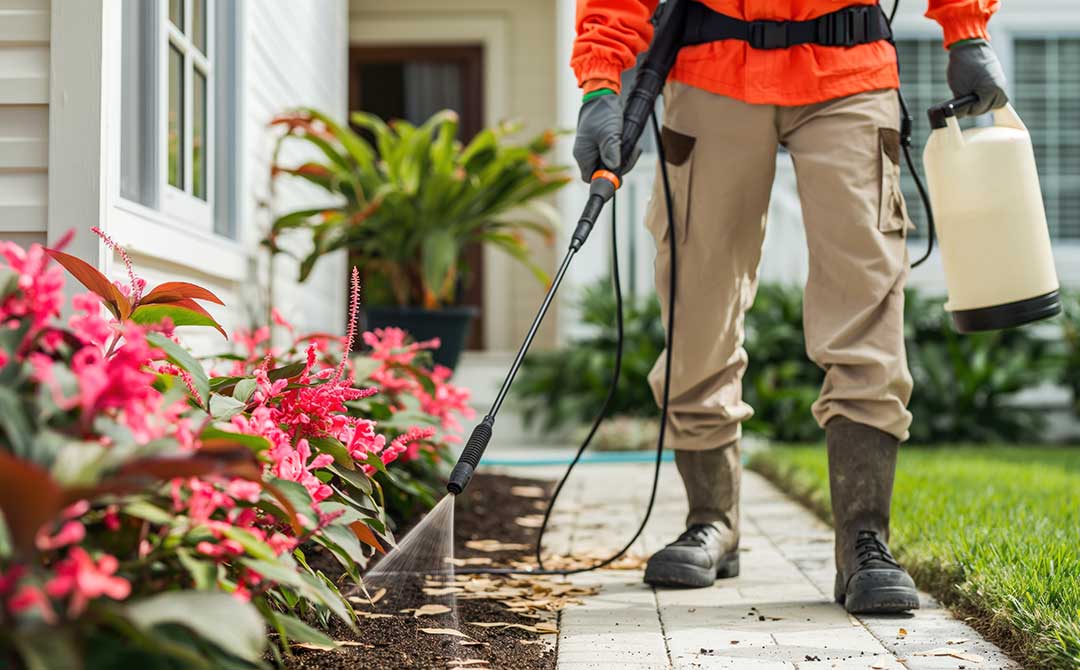
Use the least disruptive option that fits the situation. Spot-treat affected plants instead of spraying the entire garden. Follow label directions for dosage, protective equipment, harvest intervals, storage, and disposal. Do not mix products unless the label specifically allows it.
Avoid applying treatments before heavy rain or during strong wind. Spray drift can injure nearby plants, contaminate water, and expose people or animals. Keep children and pets away from treated areas as directed.
Some conditions require additional caution, including extensive disease, unknown chemical exposure, aggressive stinging insects, or pests affecting food crops near harvest. In those situations, accurate identification and safety should take priority over quick treatment.
What is a practical garden protection routine?
A manageable routine can prevent most avoidable problems:
- Inspect plants two or three times each week.
- Remove weeds and damaged leaves promptly.
- Check soil moisture before watering.
- Look beneath leaves and around stems.
- Harvest ripe produce without delay.
- Clean up fallen fruit and plant debris.
- Use barriers on crops that repeatedly suffer damage.
- Encourage beneficial insects by limiting unnecessary sprays.
- Identify the pest before selecting a treatment.
- Recheck treated plants after several days instead of applying repeated products automatically.
A healthy garden will still show occasional insect activity. Consistent observation, suitable plant placement, careful watering, sanitation, and targeted action provide more dependable protection than trying to eliminate every bug.